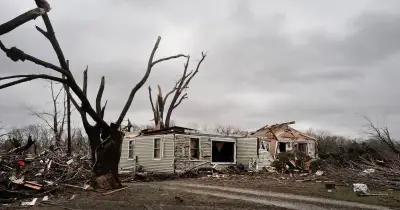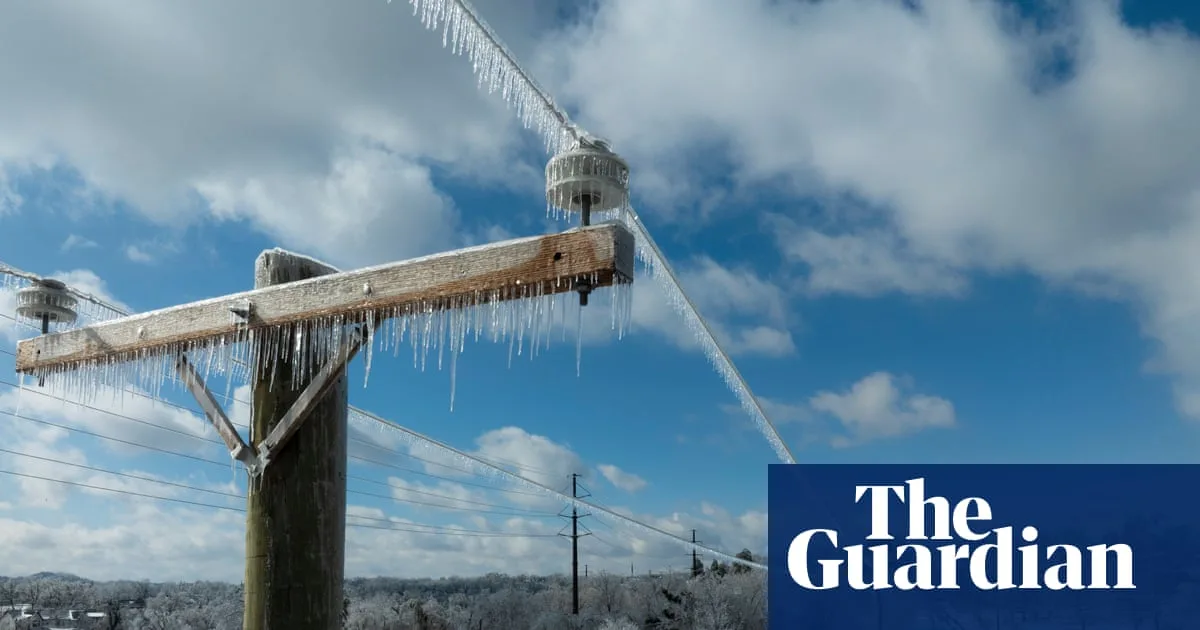
A devastating winter storm has left a trail of destruction across Tennessee, with state health officials confirming eight weather-related fatalities. The powerful system, which swept across much of the United States in recent days, has contributed to a national death toll of at least twenty-five individuals from Texas to New England since Friday.
Widespread Power Outages and Infrastructure Damage
As of Wednesday morning, nearly four hundred thousand customers remained without electricity nationwide, according to data from Poweroutage.us. Tennessee and Mississippi were particularly hard hit, with approximately one hundred and twenty-nine thousand and one hundred and twenty thousand outages respectively.
In Nashville, utility crews are facing significant challenges. The Nashville Electric Service reported three hundred and three broken utility poles, with about nine hundred line workers actively engaged in restoration efforts. Additional crews are being mobilised to assist with the extensive repair work required across the affected regions.
Forecasters Monitor New Winter Storm System
Meteorological authorities are now closely tracking another potentially significant winter storm system expected to impact parts of the East Coast this weekend. The National Weather Service's Weather Prediction Center has indicated that a winter storm is likely to affect areas including North Carolina, South Carolina, and Virginia.
"Confidence is increasing for impactful heavy snow across much of the Carolinas and parts of southern Virginia, beginning as early as Friday night and lasting through the weekend," the agency stated in its Wednesday briefing. "Confidence in impacts associated with snowfall remains lower to the north along the East Coast and into New England at the moment."
Potential for Severe Weather Conditions
The approaching system is expected to produce gusty winds that, when combined with snowfall, could create hazardous travel conditions with reduced visibility. Weather officials have cautioned that several factors remain uncertain, and forecast adjustments are anticipated as the system develops and moves closer to land.
The Weather Channel has warned that the weekend storm could potentially intensify into a bomb cyclone, bringing significant snow accumulation, strong winds, and possible coastal flooding from the Carolinas through to New England.
Regional Impacts and Preparations
In North Carolina, the National Weather Service office in Newport/Morehead City reported high probabilities of at least minor accumulating snow, alongside concerns about coastal flooding due to strong winds and higher than normal tides.
Further north, the National Weather Service in Baltimore and Washington DC was monitoring the possibility of light snow in some parts of the region later on Wednesday afternoon and evening.
New York City's Extended Cold Snap
New York City continues to experience bitterly cold temperatures, with a cold weather advisory remaining in effect throughout the week. Mayor Zohran Mamdani addressed the situation in a video statement on Tuesday, noting the city might be experiencing its longest recorded stretch of below-freezing temperatures.
"The snow may have stopped falling, but the cold remains," Mamdani stated. "Our city is in the midst of what may be the longest stretch of below freezing temperatures in recorded history. Extreme cold snaps like this are threatening, already ten of our neighbors have passed away after being found outdoors. We are doing everything in our power to keep New Yorkers safe."
The persistent cold has disrupted transportation services, with New York City ferry operations suspended on Tuesday afternoon and remaining closed on Wednesday due to ice accumulation in the East River, Hudson River, and New York Harbor.
Educational Disruption and Ongoing Challenges
The lingering effects of the winter weather have forced school closures and transitions to remote learning in multiple states. On Wednesday, school buildings remained closed in Maryland, Ohio, Oklahoma, and Texas as communities continue to grapple with the aftermath of the severe weather conditions.
Emergency services and utility companies across affected regions are working around the clock to restore normalcy, while meteorological agencies maintain vigilant monitoring of the developing weather situation that threatens to bring further disruption to the eastern United States.