
Quit smoking to slash dementia risk, study finds
New research reveals quitting smoking significantly reduces dementia risk in older adults, offering powerful motivation for smokers to kick the habit and protect brain health.

New research reveals quitting smoking significantly reduces dementia risk in older adults, offering powerful motivation for smokers to kick the habit and protect brain health.

Groundbreaking multiple sclerosis research reveals why the famous 'Blinking White Guy' GIF resonates with MS patients, offering new insights into neurological symptoms and brain function.

Groundbreaking research from University of Birmingham suggests frequent bad dreams in middle age could indicate higher dementia risk decades before symptoms appear.

Groundbreaking research shows that a quick 15-minute fitness session significantly boosts memory and problem-solving abilities, offering a powerful mental performance enhancer for busy lifestyles.

A young man's persistent headaches revealed a life-threatening brain condition called arteriovenous malformation. Discover the warning signs that could save your life.

Groundbreaking Cambridge research discovers that the physical shape of your brain may determine your likelihood of developing dementia later in life, offering new hope for early detection.

Shocking investigation reveals how your location determines access to vital fertility-preserving treatments for female cancer patients across England's NHS.

New research from University College London suggests improving global education systems could prevent millions of dementia cases, offering hope for future brain health strategies.

Groundbreaking neuroscience research reveals how our brains develop hidden advantages as we mature, challenging everything we thought we knew about cognitive decline.

New research suggests common antidepressant Prozac, taken during pregnancy, could affect fetal brain development, raising crucial questions about maternal mental health treatment.

New research reveals chronic insomnia accelerates brain ageing, increasing dementia risk. Discover how poor sleep damages cognitive function and what you can do to protect your brain health.

Groundbreaking research reveals Parkinson's disease may originate in the gut years before brain symptoms appear, opening new possibilities for early intervention and treatment.

Groundbreaking research reveals autism is not a single condition with one cause, but multiple distinct subtypes requiring different approaches to treatment and support.

Groundbreaking research uncovers how poor sleep quality is accelerating brain ageing in British adults, with scientists revealing what happens when your brain gets older than your body.

Groundbreaking UK research shows children from deprived areas have significant structural differences in brain development, raising urgent questions about inequality's long-term impact.

Discover the simple lifestyle changes that could dramatically reduce your risk of developing Alzheimer's disease, based on cutting-edge dementia research and expert recommendations.

Groundbreaking research reveals how even moderate alcohol consumption accelerates brain shrinkage, dramatically increasing dementia risk. Discover the vital changes you can make to protect your cognitive health.

Groundbreaking research from Cambridge, Oxford, and Yale universities suggests that moderate alcohol consumption may significantly increase the risk of developing dementia later in life.

Groundbreaking UCLA research suggests the viral 'retro-walking' trend could significantly boost brain health, improve memory, and help protect against cognitive decline. Discover the surprising science behind walking backwards.

Groundbreaking research demonstrates that engaging with music significantly enhances memory, sharpens focus, and improves overall brain health, offering a powerful tool for cognitive maintenance.

New research examines whether doing puzzles truly protects against dementia. Discover the science behind cognitive decline and what really works for brain health.

Groundbreaking research from Oxford and Exeter universities identifies key daily activities—from reading to household chores—that can significantly reduce the risk of developing dementia, offering a proactive approach to brain health.

A landmark study uncovers a dramatic generational divide in sexual activity, with Britons over 70 reporting more active sex lives than their Gen Z grandchildren. Experts point to technology, economic pressures, and shifting social norms as key factors in

Exclusive investigation reveals US government agency sanctioned controversial experiments transplanting human foetal tissue into lab animals, sparking fierce ethical debate.

Groundbreaking research from the University of Essex shows your daily beverage choice could be increasing your risk of dementia by up to 39%. Discover the hidden danger in Britain's most popular drinks.

New UK research uncovers a startling link between poor leg strength and accelerated cognitive decline. Experts reveal how a simple physical test could be a key indicator for future brain health and dementia risk.

New research suggests a simple brain scan measuring 'brain mileage' could predict Alzheimer's disease years before severe symptoms appear, offering new hope for early intervention.
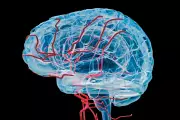
Cambridge scientists develop groundbreaking AI-powered 'brain mileage' clock that detects Alzheimer's disease up to 15 years earlier than traditional methods, potentially transforming early diagnosis and treatment.

Groundbreaking Oxford research reveals a strong link between long-term use of a specific, widely-used painkiller and a dramatically increased risk of developing dementia.

A revolutionary Cambridge study uncovers a unique 'brain fingerprint' and a vasopressin hormone surge in infants, offering a potential early biomarker for autism and paving the way for new interventions.