The BBC has come under fire by Reform UK's Zia Yusuf after failing to inform him that Question Time audience members who 'ambushed' him were coached by a migration charity. The BBC has proved time and time again that impartiality just isn't a priority, and after this week's Question Time scandal, viewers shouldn't be expected to pay license fees.
Accused of bias on numerous occasions, last November the broadcasting giant was plunged into chaos after Michael Prescott, a former adviser to the BBC's Editorial Guidelines and Standards Board, voiced concerns over impartiality in a leaked memo. After criticising the BBC's problematic edit of one of President Donald Trump's speeches for Panorama, as well as the corporation's coverage of trans issues and the war in Gaza, forced director general Tim Davie to step back, confirming his resignation.
Given the annus horribilis that was 2025, it wouldn't be a massive leap to assume that for 2026, maintaining the highest standards of impartiality might be a major, if not number one, goal for the BBC. But, alas… the only thing that has actually changed is the license fee, which rose by £5.50 to £180 in April.

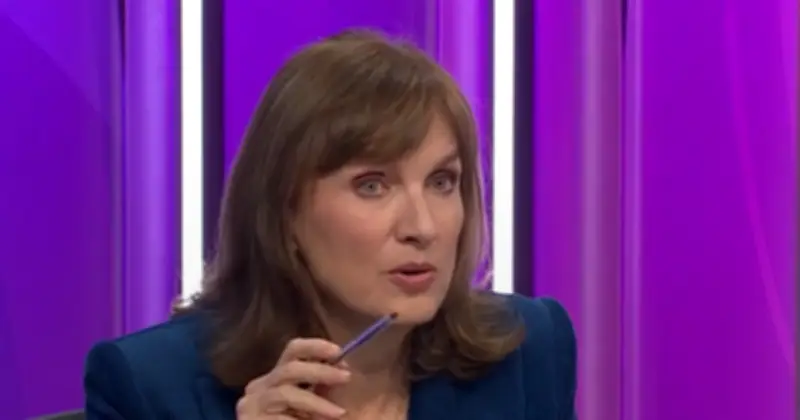
In a new and disappointing development, The Telegraph has revealed that in an episode of Question Time, which was filmed in Dover in December, two asylum seekers who were placed in the audience had actually been coached by Imix, a UK charity in support of the migration and refugee sector. Both men were called upon to ask questions by Fiona Bruce, as was Jenni Regan, the Imix chief executive who had directly coached the pair.
After all three were selected to address Reform UK's Zia Yusuf in the episode, the politician stated that he'd felt 'ambushed', with the episode itself receiving over 1,000 complaints from viewers. 'The BBC has full editorial control over all its content,' a spokesperson has stated in response. 'It is common practice across the media industry to engage with charities, among others, for research purposes and to help understand different perspectives when working on programmes or news stories. However, the BBC has strict guidelines to ensure impartiality and editorial independence.'
At the centre of this scandal, the issue isn't that these audience members were coached or that they were selected to ask questions. The actual problem is that Yusuf had not been made aware of their presence in the first place, nor the fact that the men had been coached (Alireza, who is Iranian, had read out a pre-written statement from his phone) by a charity with an agenda.
Further fuelling outrage, according to Yusuf himself, when he complained to the BBC and 'explicitly asked them if the audience members were coached, the BBC refused to answer'. In the BBC's own guidelines, the corporation states that 'impartiality' is a fundamental principle which means not favouring one side over the other in a debate, and in theory, that's what viewers are supposed to be paying for. Additionally, the broadcaster declares that the fee allows the company to help 'deliver trusted news', but if any party is put at a disadvantage or advantage in a debate without knowledge or transparency from the corporation facilitating that discussion, where's the impartiality?
This isn't about where individuals fall on the political spectrum, it's about giving people with a range of different views the ability to discuss and debate them fairly on a level playing field. Until the BBC can maintain neutrality in all news matters, there's no value in the £180 license fee, and with the current cost of living, Brits are probably better off spending that money on something else.