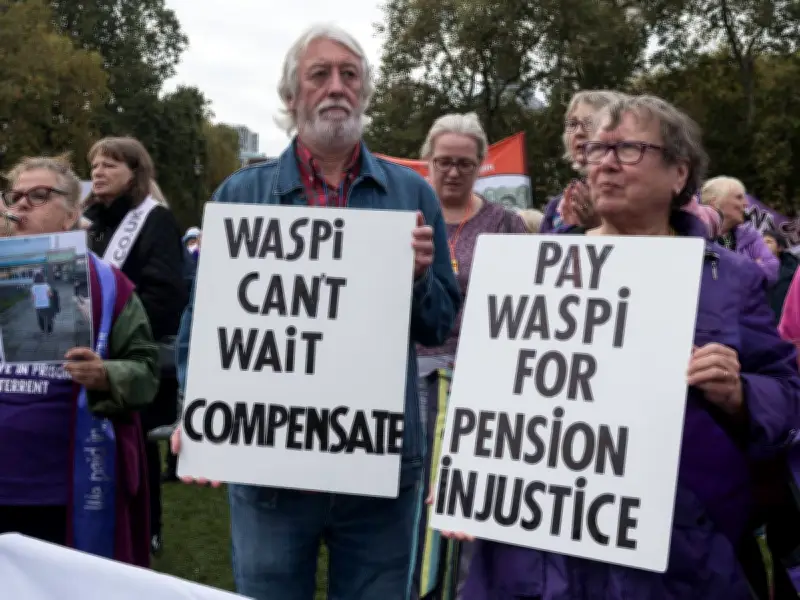
The Department for Work and Pensions (DWP) has issued a fresh update on the ongoing dispute over compensation for WASPI women, delivering a disappointing outcome for campaigners. The Government has once again assessed demands to compensate millions of women born in the 1950s who were affected by delays in communication regarding changes to the State Pension age. In a ruling published on Tuesday, the DWP confirmed it would not establish any compensation scheme, dashing hopes for payouts that could have ranged between £1,000 and £2,950 per person.
Background of the WASPI Compensation Fight
The Parliamentary and Health Service Ombudsman (PHSO) had previously found that women suffered an injustice due to the DWP's failure to notify them promptly of rises to their State Pension age. The watchdog recommended compensation at level four on its injustice scale, equating to payments of between £1,000 and £2,950, and urged Parliament to consider a redress mechanism. As many as 3.5 million women could potentially have been affected by the delays.
Despite this, ministers have firmly maintained their refusal to pay out. The DWP stated: "We have decided against introducing financial compensation for women affected by the delay in sending out State Pension age letters." It further argued that introducing a financial compensation scheme is neither fair nor feasible and would not represent good value for taxpayers.

Why Was a Fresh Ruling Required?
The Government had already rejected compensation back in December 2024. However, ministers were compelled to revisit the matter after a legal challenge brought to light a 2007 DWP research report that had not been considered when the original ruling was made. The report assessed the effectiveness of pension communications and concluded that unsolicited pension forecasts had only a limited influence on people's awareness and retirement planning.
Having reviewed the evidence, Work and Pensions Secretary Pat McFadden pledged to make a new ruling on the State Pension age communications matter. The Government's updated conclusion is that the additional evidence does not change its overall stance.
DWP Apologises but Refuses to Pay Out
The Ombudsman identified maladministration in two areas, determining that decisions made between 2005 and 2007 resulted in a 28-month delay in launching a direct mailing campaign to women affected by the 1995 Pensions Act. The DWP has acknowledged that finding and issued an apology, stating: "We are sorry that we did not send individual letters earlier in this case."
However, ministers maintain that no direct financial loss was caused by the delay, arguing that most women were already aware that the State Pension age was set to change. The document states: "The evidence is also clear that the majority of 1950s-born women knew that State Pension age was changing." Officials also contended that establishing a fair compensation scheme would prove impossible, as determining what individual women knew or might have done differently over two decades ago would be too challenging.
Potential Cost of Compensation
The DWP stated that compensating all affected women at the level recommended by the Ombudsman could cost between £3.5 billion and £10.3 billion, excluding administrative expenses. Ministers argued that such a scheme risked awarding substantial sums to women who were already aware of the changes or had not experienced any injustice. The department concluded: "Making awards to up to 3.5 million people, very many of whom will not have suffered injustice and/or will have been aware that the State Pension age was increasing, is neither fair nor affordable."
This latest decision is likely to fuel fresh outrage amongst campaigners, who have fought for years to secure compensation for women affected by how State Pension age changes were communicated. Yet the Government's updated position appears to offer scant hope of payouts without additional legal or political pressure.