Matcha and green tea, while derived from the same plant, exhibit distinct differences in cultivation, processing, and preparation. Both originate from the leaves of Camellia sinensis, but their journey from field to cup diverges significantly.
Processing and Cultivation
Unlike black tea, which undergoes oxidation, both green tea and matcha are heated soon after harvesting to prevent fermentation. However, the leaves destined for matcha are shaded during the final weeks of growth. This shading boosts chlorophyll, EGCG, and L-theanine levels, giving matcha its vibrant green hue and umami flavor. Green tea leaves, in contrast, are grown in full sun.
According to Perfect Ted, “Matcha is a ground green tea; 'ma' meaning ground and 'cha' meaning tea. When you drink a matcha latte or matcha tea, you are consuming the whole tea leaf, as opposed to steeping the leaf in water and drinking that infusion.”

Caffeine Content
Both beverages contain caffeine, but matcha packs a stronger punch. A standard serving of green tea provides approximately 30-40mg of caffeine, while matcha contains around 75mg per serving. This higher caffeine content is due to the consumption of the entire leaf.
Preparation Methods
Green tea preparation is straightforward: steep loose leaves or a tea bag in water heated to about 85°C for two to three minutes. Avoid boiling water, as it can scorch the leaves and release bitter tannins. Good-quality leaves can be reused multiple times.
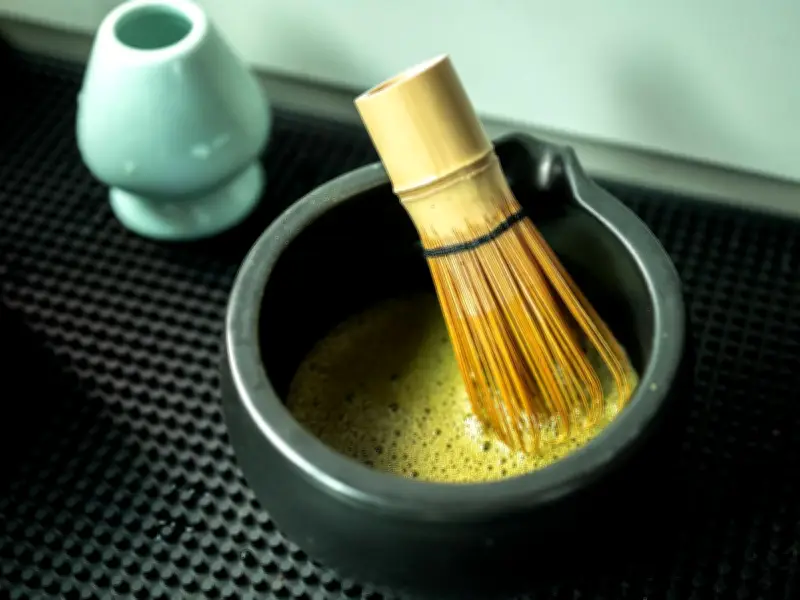
Matcha requires more effort. To prepare hot matcha, sift one teaspoon of powder into a bowl, add a small amount of warm water, and whisk in a W-shape until frothy. Top up with additional hot water. For a cold version, use iced water, lemonade, or milk instead.
Origin and Tradition
While not an official rule, matcha is traditionally cultivated in Japan, notably in the Nishio and Uji regions. Green tea, on the other hand, has its roots in China and is now grown worldwide.