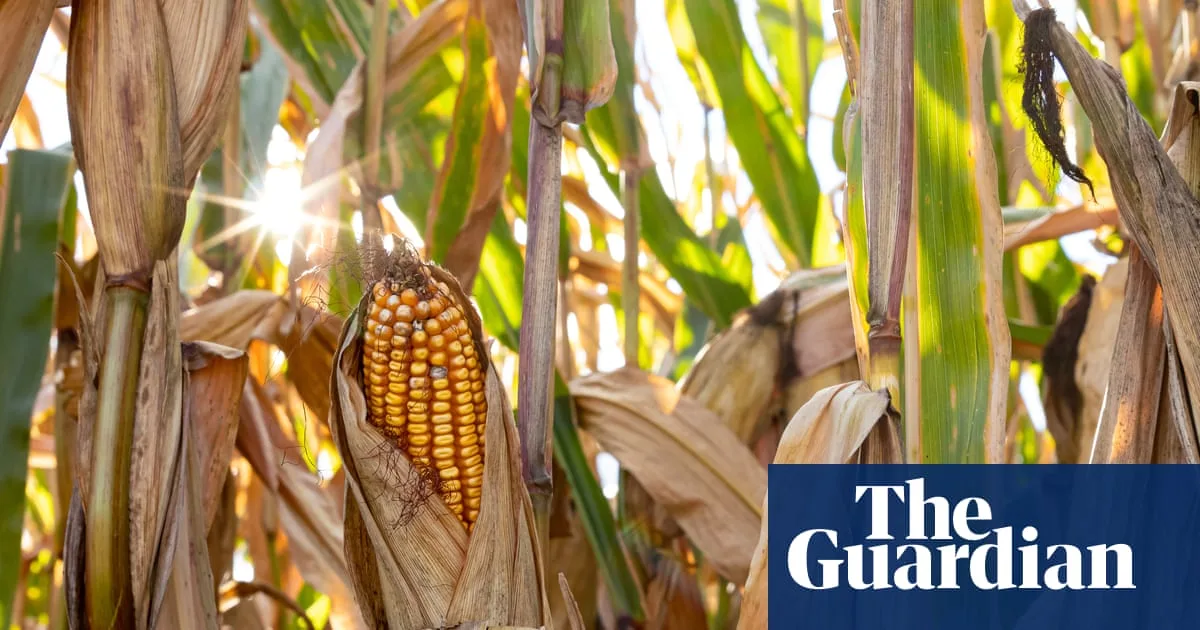
The Trump administration is poised to approve another PFAS 'forever chemical' as a pesticide ingredient, sparking criticism from public health advocates who warn of risks to food and water supplies. The substance, epyrifenacil, would be sprayed on corn, soybeans, and wheat, and marks the fifth PFAS pesticide ingredient proposed for approval under Donald Trump's second term.
PFAS, a class of about 16,000 compounds used for water-, stain-, and grease-resistance, have been linked to cancer, birth defects, and other serious health issues. They are dubbed 'forever chemicals' because they do not break down naturally. The latest ingredient can degrade into trifluoroacetic acid (TFA), a smaller PFAS.
Critics note that the approval comes as the administration cuts SNAP benefits amid a government shutdown, yet the pesticides office continues operating at full force. Nathan Donley of the Center for Biological Diversity said, 'That shows you where the priorities are.' The EPA's press secretary defended the move, stating TFA is less toxic than other PFAS and that scientists thoroughly reviewed safety.

At least 60% of active ingredients approved for common pesticides over the last decade fit the widely accepted PFAS definition, according to a 2023 analysis. Four of the five pesticides proposed this year break down into TFA, which the EPA excludes from its unusually narrow PFAS definition, a move advocates allege is industry-friendly.
The approval has caused friction between the Make America Great Again and Make America Healthy Again movements. Kelly Ryerson, a MAHA leader, expressed frustration: 'I’m a big supporter of Kennedy and the MAHA movement, but the realistic view is he wasn’t appointed the head of the EPA.' The top four positions in the EPA's chemical safety office are held by former pesticide industry lobbyists.