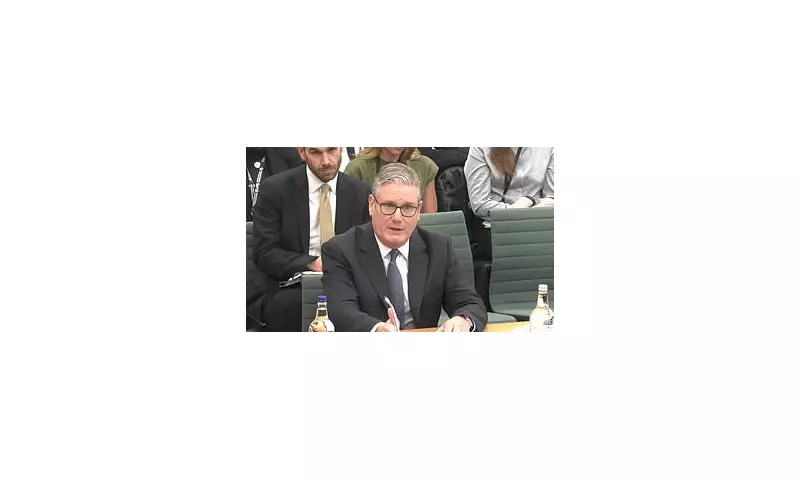
Prime Minister Sir Keir Starmer has been confronted with harrowing claims that elderly and terminally ill farmers are contemplating suicide to protect their families from an impending inheritance tax overhaul. The warning came from within his own party during a tense parliamentary committee session.
‘A Betrayal of Trust’ in Rural Communities
Labour MP for Lancaster and Wyre, Cat Smith, delivered an emotional indictment of the government's policy shift on agricultural property relief (APR). She told the Prime Minister that rural communities had “put their trust in Labour for the very first time in a very long time” during the party's 2024 landslide victory, only to feel profoundly misled.
The changes, announced in Chancellor Rachel Reeves's first Budget months after the election, will come into effect in April 2025. Ms Smith stated that the reform has left some farmers feeling they have a grim choice: if they die before the April deadline, their farm can pass to the next generation tax-free. After that, it becomes liable for inheritance tax for the first time, a cost she argued could render many family farms “unviable.”

“Can you see how farmers can feel that this Government hasn't necessarily treated them the way that they expect to be treated as working people?” she asked the PM, highlighting the depth of the perceived betrayal that triggered tractor protests in Westminster.
PM Defends ‘Sensible Reform’ Amidst Emotional Outcry
In response, Sir Keir Starmer acknowledged the concerns but stood firm on the policy. “I do understand the concern,” he said, noting recent meetings with the National Farmers' Union (NFU) president. However, he insisted that “there had to be sensible reform. And I think this is sensible reform.”
The reform will see farm landowners paying inheritance tax at an effective rate of up to 20% on their agricultural land from April 2026. However, they will still be able to pass on combined agricultural and business estates worth up to £1 million without facing a bill. The Treasury expects the change to raise approximately £500 million annually.
The confrontation intensified when Ms Smith pressed the Prime Minister on the most extreme consequence, asking if he was aware that farmers with terminal diagnoses were “actively planning to expedite their own deaths” before the April deadline. Sir Keir replied that he had heard “all manner of things” in his discussions.
Cross-Party Pressure to Rethink the Policy
The issue drew sharp criticism from across the political aisle. Alistair Carmichael, the Liberal Democrat chair of the Environment, Food and Rural Affairs Committee, echoed the grave concerns, stating “Nobody should be left feeling... that they would be better off dying between now and next April.”
He challenged Sir Keir on why he would not abandon the policy despite fierce criticism, including from Labour-dominated parliamentary committees. “You don't have to listen to the farmers out there. You don't have to listen to the president of the NFU,” Mr Carmichael said. “But why do you not listen to your own party colleagues?”
The Prime Minister maintained that he listens to colleagues constantly, but reiterated that governments must implement necessary reforms. The exchange underscores a significant and deeply emotional rift between the new Labour government and the agricultural heartlands that contributed to its electoral success, setting the stage for continued conflict over the future of family farming and rural economics.