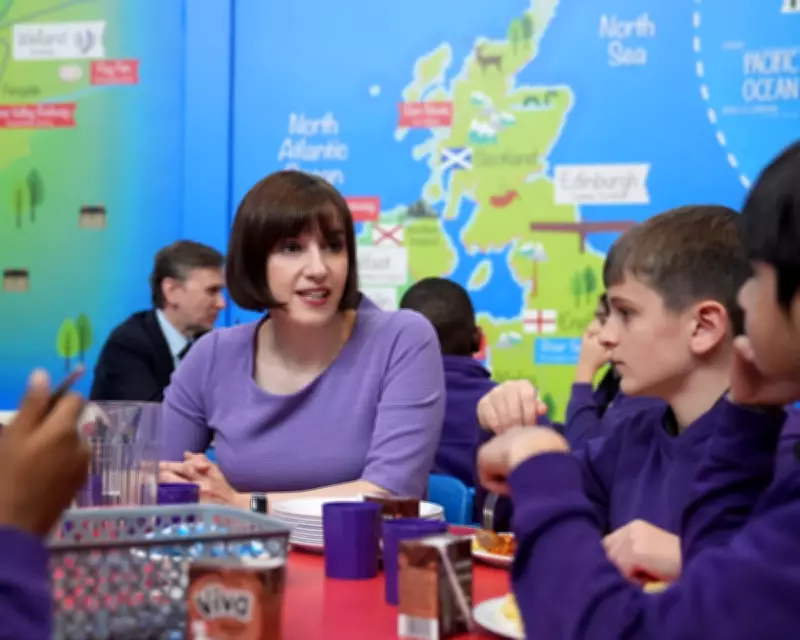
Education Secretary Bridget Phillipson has embarked on a sustained lobbying campaign targeting Labour MPs, aiming to convince them that the government's proposed overhaul of the special educational needs and disabilities (Send) system is not a cost-cutting exercise. This comes as ministers seek to avoid a potential backbench rebellion similar to the one that plagued recent welfare reforms.
High-Stakes Political Reform
According to multiple Labour MPs who spoke to the Guardian, the government has "learned the lesson" from botched welfare changes and is now conducting an intensive engagement offensive. However, many MPs remain steadfast in their opposition to any measures perceived as primarily aimed at saving money, with one describing the Send reforms as "the most high-stakes political reform they've taken on since welfare."
Raising the Bar for Support
The proposed changes would significantly alter how children in England qualify for support. Under the new system, education, health and care plans (EHCPs) – which legally entitle children with Send to receive necessary support – would be reserved for those with the most severe and complex needs. This would effectively raise the threshold for receiving this crucial legal protection.

Sources familiar with the proposals confirm that plans will be limited to children with the most acute requirements, a move that has sparked considerable concern among parents, campaigners, and parliamentarians alike.
Campaigners Warn of Catastrophic Implications
Madeleine Cassidy, chief executive of IPSEA, a charity providing legal advice that forms part of the Save Our Children's Rights campaign, issued a stark warning about the potential consequences. "Weakening the Send legal framework would risk decades of progress towards inclusion," she stated emphatically.
Cassidy further emphasised that "these rights are not optional – they are essential safeguards that enable families to secure the support their children need to access education and thrive." Her comments reflect widespread anxiety among advocacy groups that limiting legal protections could have devastating effects on vulnerable children and their families.
Parliamentary Opposition Mounts
Despite Phillipson's year-long lobbying offensive involving hundreds of MPs, significant resistance persists within the parliamentary Labour party. Some government figures reportedly worry that Labour MPs could vote down the proposals in the next parliamentary session, with concerns that such an event could potentially hasten the end of Keir Starmer's premiership.
Jen Craft, an MP and member of the all-party parliamentary group on Send, made her position clear: she would oppose plans to restrict EHCPs unless a properly funded replacement system was firmly in place. "That would be a real issue," she asserted, highlighting the importance of adequate resourcing.
Contrasting Approaches to Engagement
One Labour MP drew a sharp contrast between the government's handling of different reform processes. "We have had a masterclass in how not to do engagement with the PLP in recent months with the welfare bill," they observed. "And now we're seeing a masterclass in how to do it."
Alongside official debates and consultations, ministers have been meeting extensively with parents, campaigners, and running special listening exercises with MPs who have children with special needs. MPs have also received guidance packs on conducting Send roundtables, indicating a comprehensive approach to stakeholder engagement.
Funding Commitments and Moral Arguments
Phillipson has repeatedly told MPs that the system overhaul – which has seen funding for high-needs provision increase by more than 50% to £11 billion annually – is not about cutting costs. She told the parliamentary Labour party it was "morally wrong" to place children in independent special schools that often fail them at "enormous cost" to both the children themselves and taxpayers.
A Department for Education spokesperson highlighted existing investments, including £3 billion for specialist Send units in local state schools and £200 million to train teachers in Send provision. "Our priority is – and has always been – improving outcomes for children and young people with Send," they stated.

The spokesperson added: "We will restore parents' trust by fixing what isn't working in the system and strengthening support for those who need it – shaped directly by the views and experiences of those who know the system best."
Building Trust Through Investment
Meg Hillier, the MP who chairs the Treasury select committee and led the Labour backbench rebellion against welfare reform, described the current investment as a crucial "downpayment" for building trust. "Bridget knows it's important to get it as right as possible first time, you don't get to take a shot at this," she remarked. "And she's working hard to bring the PLP and stakeholders with her."
Financial Pressures Loom Large
Despite these assurances, the government faces undeniable financial pressures. Spiralling Send costs have plunged local authorities into £6 billion of debt, prompting Chancellor Rachel Reeves to announce in last year's budget that she would assume full responsibility for these expenses.
Avnee Morjaria, co-author of an influential Institute for Public Policy Research report, noted that "a reform of this scale will eventually need a serious rebalancing of funding from individuals to the school system so that children can access the support they need sooner and more efficiently." She added that this rebalancing "will have implications for the funding available for EHCPs in the future."
Accountability Concerns and Growing Demand
Helen Hayes, chair of the education select committee, emphasised the importance of retaining existing legal rights while ensuring any new system receives proper funding and maintains full accountability. She highlighted that the number of children on EHCPs has grown from 3% in 2018 to over 5%, with assessments increasing by 250% between 2013 and 2024.
"Parents rely on the part of the system – the EHCP – that has statutory accountability, because there is almost no accountability in any other part of the system," Hayes explained, underscoring why these legal protections remain so vital to families.
Rebuilding Broken Trust
MP Antonia Bance acknowledged the formidable challenge of rebuilding trust with parents, describing it as "an uphill battle because few people believe that things can actually get better." However, she identified a crucial consensus: "There is an absolute consensus that the current system is broken. We have to do something."
This sentiment captures the complex dilemma facing policymakers – the urgent need for reform conflicting with concerns about protecting vulnerable children's rights and ensuring adequate support mechanisms remain in place for those who need them most.