iRobot Files for Chapter 11 Bankruptcy, Acquired by Chinese Supplier
Roomba Maker iRobot Files for Bankruptcy

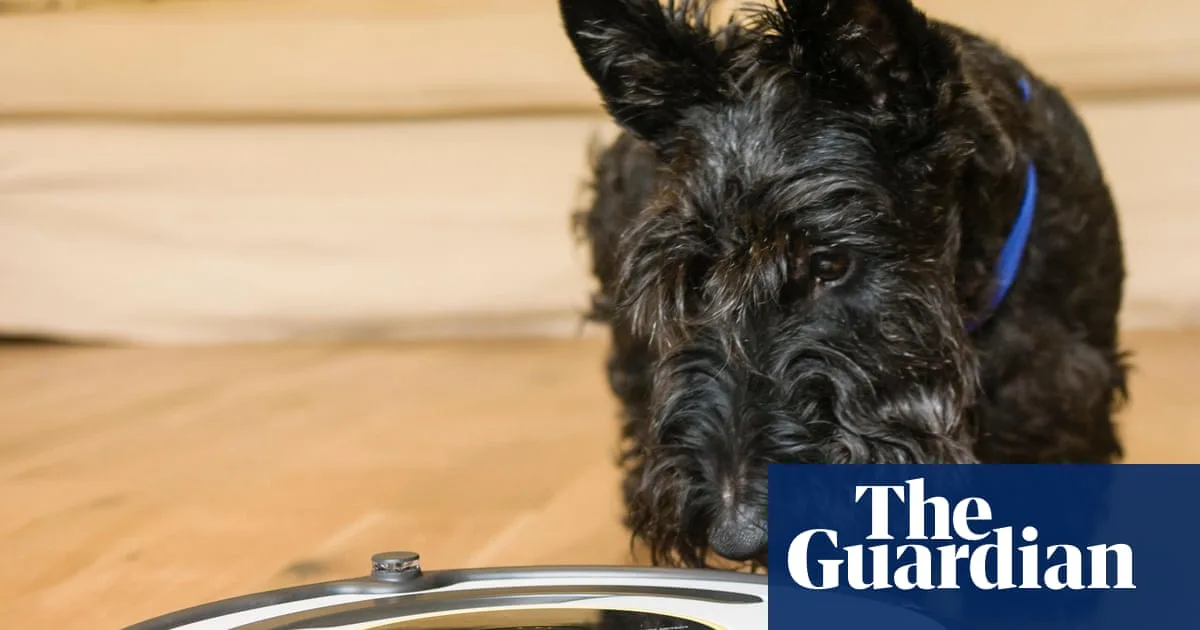
The company that turned the Roomba into a household name and synonymous with robot vacuum cleaners is fighting for its future. iRobot has filed for Chapter 11 bankruptcy protection and agreed to be taken over by its primary Chinese supplier, marking a dramatic fall for a pioneer of home robotics.

From Market Leader to Bankruptcy Protection

On Sunday, the US-listed company confirmed it had filed for Chapter 11 bankruptcy in Delaware. This move is part of a restructuring deal with Shenzhen-based Picea Robotics, which is not only iRobot's main supplier but also a significant lender to the struggling firm.

The bankruptcy represents a stark turning point for a brand that defined the automated home cleaning category for over two decades. iRobot brought the idea of a robot cleaning your floors while you're out into the mainstream, ultimately selling more than 40 million devices worldwide.

Mounting Pressure and a Failed Amazon Deal

iRobot's troubles have been building for years. The market it created became flooded with cheaper, and often better-equipped, Chinese-made robot vacuums. These rivals offered advanced features like mapping tools and mopping attachments as standard, often at a fraction of the Roomba's price, leaving iRobot struggling to compete.

The situation reached a critical point after a planned $1.7 billion acquisition by Amazon collapsed in 2024. Regulators in the US and Europe blocked the deal, fearing Amazon could unfairly disadvantage competing products on its platform. The failed takeover triggered massive layoffs and a stock plunge at iRobot.

Behind the scenes, debt was piling up. Court filings reveal the company owed Picea more than $350 million, much of it overdue, alongside additional debts to US Customs for unpaid tariffs and other component suppliers.

What the Restructuring Means for Roomba Owners

iRobot has moved quickly to reassure its customer base. The company insists that under Chapter 11, which allows it to continue operating normally during restructuring, consumers will see no interruption in service.

Existing Roombas will not suddenly shut down, lose app support, or stop receiving software updates. The company plans to maintain customer service, honour warranties, and keep spare parts supplied as usual. This addresses concerns from some owners that their devices could 'brick' if cloud-based systems were switched off.

The Future Under New Ownership

Under the agreed restructuring plan, Picea Robotics will take 100 percent ownership of iRobot, completely wiping out existing shareholders. Picea already manufactures parts for major brands like Xiaomi and Electrolux and sells its own robot vacuum under the 3i brand.

For consumers, the long-term implications are significant. With a Chinese manufacturer now in full control, there is potential for future Roomba models to see a reduction in price. However, this shift may also lead to a scaling back of the company's US-based research and development operations, potentially altering the product's future direction.

The story of iRobot is a cautionary tale of innovation, market saturation, and the intense global competition within the tech and robotics sector, where early dominance offers no guarantee of long-term survival.