Martin Lewis Outlines Essential Spending Principles for Retirees
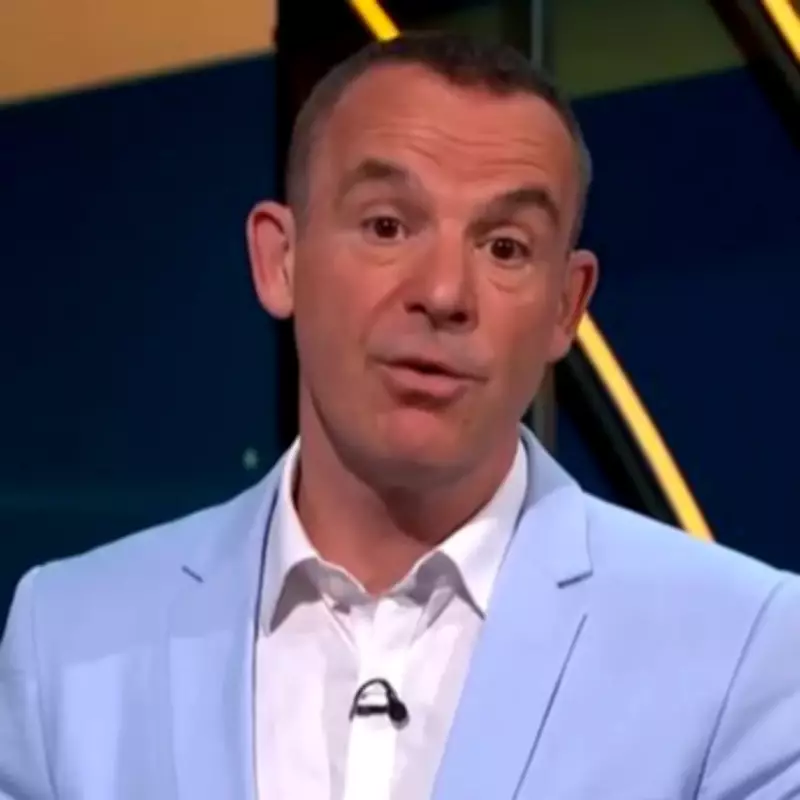
Financial guru Martin Lewis has highlighted crucial guidelines for how pensioners should approach spending their hard-earned money during retirement. During a recent episode of his popular BBC podcast, Lewis discussed various listener suggestions, from initiating pension contributions early to exercising prudent expenditure management.
Listener Insight on Enjoying Retirement Savings
One notable contribution came from Chris, a 62-year-old listener who is relishing early retirement. Chris advocated against feeling guilty about utilizing savings accumulated over a lifetime of work. He articulated his philosophy clearly: "My policy is to enjoy now the money I've saved because in another 15 or 20 years, I might not be able to, or wish to enjoy the things or visit the places I want to now."
Lewis's Endorsement of the Spending Approach
Martin Lewis expressed his full agreement with this perspective. He remarked humorously, "I absolutely agree funnily enough." Lewis elaborated that money fundamentally serves two primary purposes: "Money is about utility and happiness. You need to plan and be prepared for the worst to happen, and have the contingencies available."

He further explained: "But actually spending wisely, checking that you are doing things efficiently, not wasting money on things that don't give you happiness or value, or at least getting the things that you need and the necessities, not joyful things, as cheaply as possible in a way that works, is what enables you to spend the money on the things that you want to, to give you a better life."
State Pension Considerations for Those Nearing Retirement
Individuals in their early sixties contemplating retirement should carefully consider when they will become eligible to claim their state pension. The current state pension age stands at 66, but this is scheduled to increase starting in April 2026, gradually rising to 67 by April 2028. To qualify for the full new state pension, one typically requires 35 years of National Insurance contributions.
The full rate is presently £230.25 per week, with an increase to £241.30 per week set for April this year, in accordance with the triple lock policy. This adjustment translates to an 8.4 percent rise in state pension payments.
Tools and Additional Benefits for Pensioners
Those curious about their projected state pension amount can utilize a dedicated tool on the Government website. A minimum of 10 years of National Insurance contributions is necessary to qualify for any state pension entitlement.
If gaps exist in your National Insurance record, you have the option to voluntarily purchase contributions through the Government portal for up to six past tax years. However, this action does not automatically guarantee an increase in your state pension, so verification is essential beforehand.
People approaching state pension age might also explore other potential benefits. Pension Credit offers additional support for those on low incomes, averaging £4,300 annually, and provides access to further Government assistance.
Eligibility may extend to Attendance Allowance for individuals with disabilities or health conditions requiring personal care. Other benefits include the Winter Fuel Payment and Cold Weather Payments, which can provide crucial financial relief during colder months.