Robert Reich, a former US secretary of labor, argues that the SpaceX IPO, which made Elon Musk the world's first trillionaire, demonstrates that modern capitalism is no longer based on traditional economic principles like supply and demand. Instead, it relies on hype, connections, and total, arbitrary control.
Hype Over Substance
SpaceX shares were priced at roughly 100 times the company's 2025 revenue, despite consistent negative profitability and failure to meet prior goals. Reich notes that much of SpaceX's value stems from a deal Musk negotiated between SpaceX and his AI startup, xAI—essentially a deal with himself. He compares the IPO to Musk's ill-fated Dogecoin and Trump's takeover of the US government, calling it arbitrary and built on self-dealing without accountability.
Connections and Regulatory Favor
Reich highlights the role of Brendan Carr, FCC chair and Musk booster, who approved regulatory requests for SpaceX and Starlink, allowing Musk to control over 10,300 satellites—two-thirds of all active satellites in low Earth orbit. Carr also investigated rival EchoStar after Musk's complaint and threatened NBC and ABC over unfavorable Trump coverage.

Total Control and Market Rigging
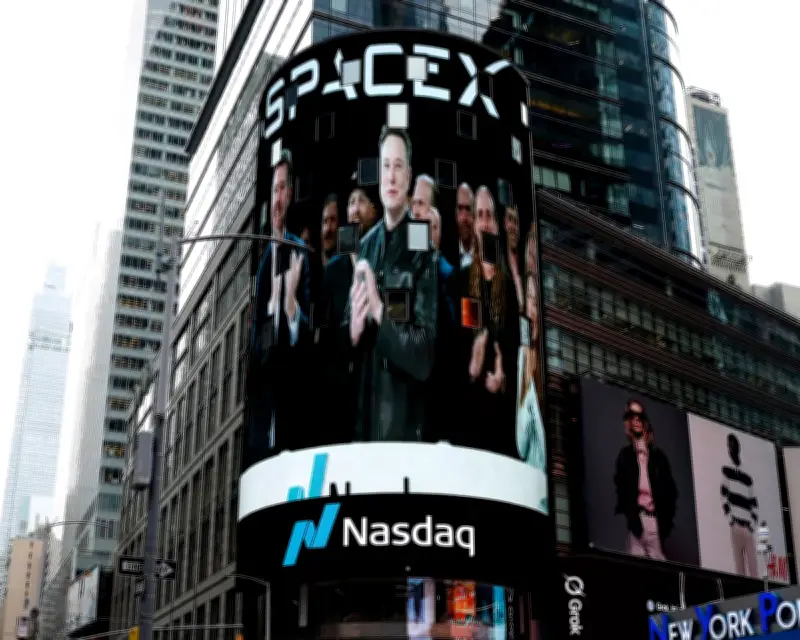
Musk will retain total control over SpaceX, with each of his shares having 10 times the voting power of public shares. The board will have no meaningful authority. Reich warns that index funds have been rigged: the Nasdaq 100 implemented a 'fast entry' rule likely to include SpaceX, forcing millions of investors' retirement savings and pensions into the stock without their choice. Insiders can sell shares sooner than usual, potentially profiting before a downturn.
Reich concludes that while Musk is now a trillionaire, the IPO could redistribute wealth from the public to Musk and his allies, exemplifying the rot in American capitalism during the Second Gilded Age.