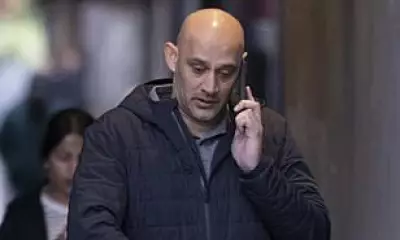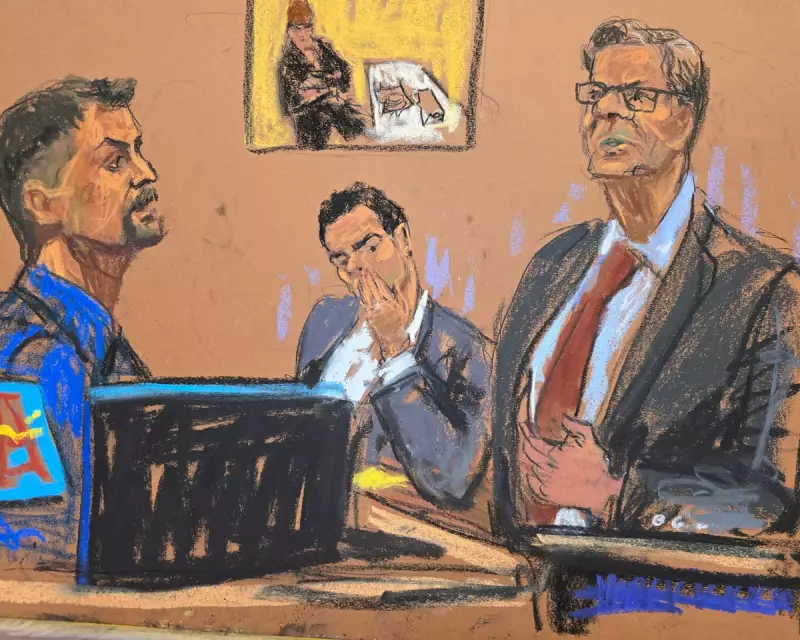
A judge in Manhattan has authorised the public release of a crucial 911 audio recording that directly led to the arrest of Luigi Mangione, the man accused of murdering United HealthCare executive Brian Thompson. The decision came after sustained pressure from media organisations advocating for transparency.
The Pivotal 911 Call
The recording, played in New York state court this week, captures the moment the manager of a McDonald's in Altoona, Pennsylvania, contacted emergency services in December last year. The manager reported a customer who was causing alarm amongst others, with patrons suggesting he resembled the "CEO shooter from New York."
"I have a customer here that some other customers were suspicious of, that he looks like the CEO shooter from New York," the manager is heard telling the operator. She explained that concerned customers had approached her, but she felt unable to confront the individual herself.

When asked for a description, the manager detailed a man in a black jacket, medical mask, and a khaki-coloured beanie pulled low. "The only thing you can see is his eyebrows," she said, adding that she had tried to search online to placate the worried customers but found it difficult to confirm his identity.
Arrest and Police Testimony
This call proved instrumental. Police intercepted Mangione at the fast-food restaurant, and he now faces state and federal charges for Thompson's murder a year ago; he has pleaded not guilty to all counts.
Officer Joseph Detwiler of the Altoona police, who made the initial arrest, testified that the suspect's mask was a key identifier. Detwiler stated that in Altoona, "we don't wear masks" and "we have antibodies," making the masked man stand out immediately. "He had a mask on," Detwiler said. "So he had to be the person we were called there for."
Press Advocacy and Judicial Reversal
The release marks a shift from earlier in the week when Judge Gregory Carro sided with Mangione's defence to seal case materials. This move prompted a journalist to stand in court to request to be heard on the matter—a common practice protected by legal precedent—after which she was ejected from the courtroom.
Following written requests from press members, including Matthew Lee of Inner City Press, Judge Carro reversed course. On Thursday, he announced that several exhibits would be unsealed and made available via the District Attorney's Dropbox. The judge did not, however, comment on the earlier ejection of the reporter. It is noted that not all evidence played in court has been made public.
This case underscores the ongoing tension between a defendant's right to a fair trial and the public's right to know, with the press playing a vital role in upholding transparency within the justice system.