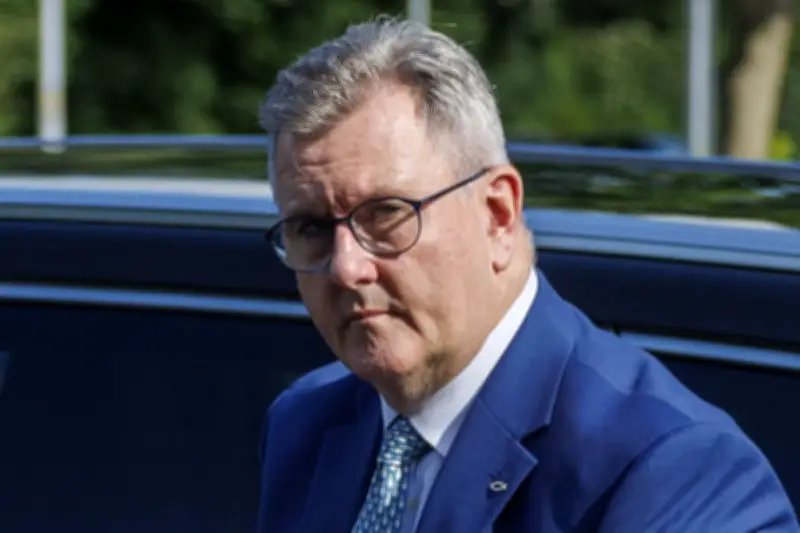
The Democratic Unionist Party (DUP) has firmly rejected a return to power-sharing at Stormont, intensifying the political deadlock in Northern Ireland. The party's decision stems from ongoing concerns over the post-Brexit trade arrangements, specifically the Northern Ireland Protocol, which it argues undermines the region's place within the United Kingdom.
DUP's Stance on the Protocol
DUP leader Sir Jeffrey Donaldson stated that the current proposals do not adequately address the party's seven tests, which include ensuring unfettered trade between Great Britain and Northern Ireland. He emphasized that without significant changes to the protocol, the DUP cannot participate in the devolved government.
Impact on Power-Sharing
The refusal has stalled the formation of a new executive, leaving Northern Ireland without a functioning government. The UK government has urged the DUP to return to Stormont, but the party remains resolute. The impasse has drawn criticism from other political parties and civic groups, who warn of the consequences for public services and political stability.

The DUP's decision comes amid ongoing negotiations between the UK and the EU to resolve protocol-related issues. While progress has been made on some technical aspects, the DUP insists that more fundamental reforms are needed. The party's position has also been influenced by unionist opposition to the protocol, which has led to protests and political tensions.
In a statement, the DUP reiterated its commitment to the Belfast Agreement but stressed that the protocol must be replaced or substantially rewritten. The party called for the UK government to take stronger action, including potentially triggering Article 16 of the protocol, which allows for unilateral measures.
The political stalemate has raised concerns about the sustainability of the peace process and the ability of Northern Ireland's institutions to function effectively. As the situation continues, all eyes remain on the UK-EU negotiations and the DUP's next moves.