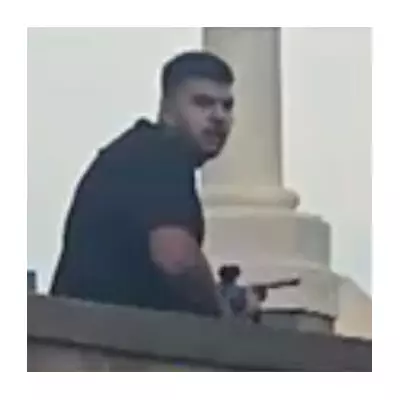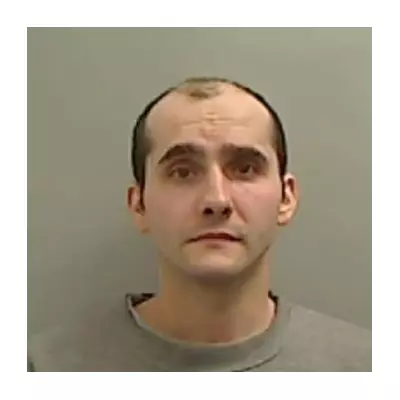
Police are urgently searching for a Palestine Action protester who absconded after being temporarily freed from prison to attend his brother's wedding.
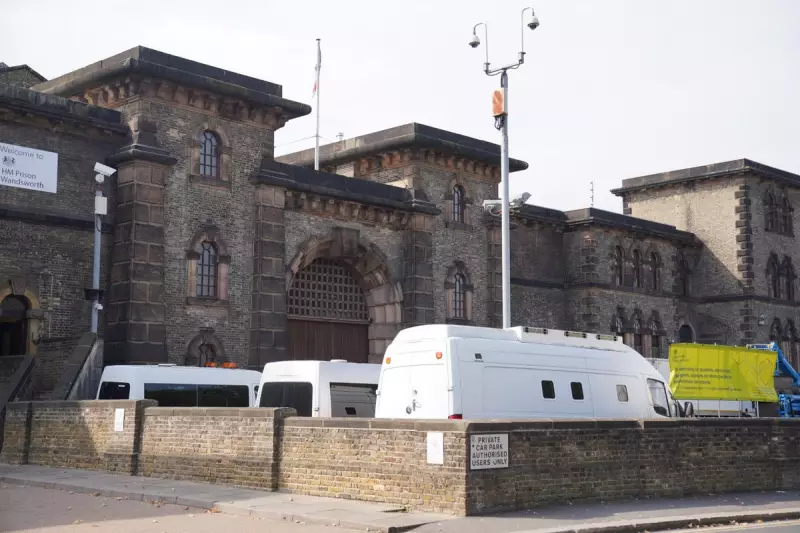
Sean Middlebrough, who was being held on remand at HMP Wandsworth, was granted bail by a judge specifically for the wedding ceremony. However, he failed to return to the prison as required, prompting a manhunt.
Charges and Context of the Case
Middlebrough had been charged in connection with an alleged plot by activists from the group Palestine Action to disrupt the London Stock Exchange. The plan reportedly involved activists chaining themselves to the building.
This incident adds to the significant pressure on the government regarding prison security, following a series of high-profile erroneous releases from the same facility.
Government Response and Warnings
A government spokesperson emphasised that bail decisions are made independently by judges. They issued a stern warning, stating, "Absconding is a serious criminal offence, and any defendant who commits this crime could face longer behind bars."
The public has been urged to come forward with any information that could lead to his recapture.
Broader Crisis in Prison Security
The search for Middlebrough occurs amidst a growing scandal over wrongful prisoner releases. It has been revealed that at least four inmates mistakenly freed are still at large, including two released in 2024 and another two in June of this year.
This past Friday, a sex offender, Brahim Kaddour-Cherif, 24, was arrested in Islington after a nine-day manhunt. The Algerian national had been wrongly released from HMP Wandsworth on 29 October. He has previous convictions for theft and indecent exposure.
His mistaken release placed Justice Secretary David Lammy under intense criticism, particularly for his handling of the situation during Prime Minister's Questions.
On Sunday, Culture Secretary Lisa Nandy acknowledged that the rate of wrongful releases has increased under the current Labour government, from an average of 17 under the previous administration to 22 now. She called this "completely unacceptable" but asserted that the government is "gripping" the crisis.
Key measures to address the problem include appointing Dame Lynne Owens, former director of the National Crime Agency, to overhaul the system. The government has also pointed to an "antiquated paper-based system" from the 1980s as a core issue, alongside plans for building new prisons and implementing additional checks.