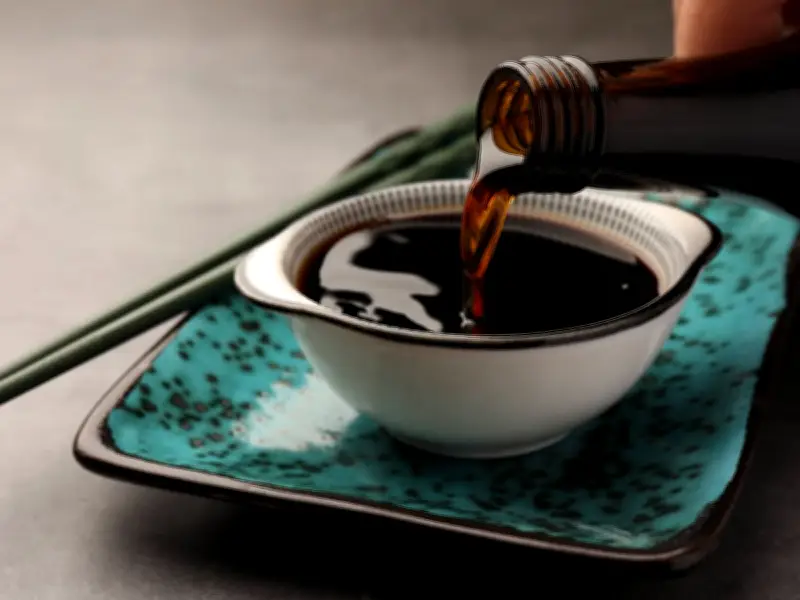
Soy sauce is a condiment produced from soya beans, wheat, water and salt, developed through a fermentation process that can span from months to years. This procedure generates a distinctive, complex flavour that harmonises saltiness, sweetness and bitterness.
It is an excellent way to introduce additional flavour to salmon fillets, baked beans and, more traditionally, stir-fry dishes. Glass bottles of light and dark soy sauces stand side by side on supermarket shelves, appearing virtually indistinguishable yet generating considerable confusion about which is most suitable to use.
What is light soy sauce?
If a recipe calls for "soy sauce", it nearly always refers to light soy. This variety of soy is thin, salty and aromatic. It is the standard soy that is employed for seasoning, marinades and dipping sauces, particularly in Chinese cuisine.

A modest amount goes a considerable way, as this soy is fermented for flavour rather than colour, so you only need a small quantity to introduce savoury depth without darkening your food excessively. Light soy sauce is primarily about seasoning and balance – it contributes salt, savouriness and aroma without dominating a dish.
What is dark soy sauce?
Dark soy sauce is thicker, deeper in colour and marginally sweeter than its light counterpart. This is owing to a lengthier ageing process and the frequent addition of molasses or caramel. It is the ingredient responsible for giving dishes such as braised pork, fried noodles or stir-fried beef that glossy, mahogany, restaurant-quality finish.
Whereas light soy is primarily about delivering flavour, dark soy is less concerned with seasoning and more focused on imparting colour and depth — a distinction that ultimately determines how each is used in the kitchen.
Do you need both light and dark soy sauce in your fridge?
If Asian cooking features regularly in your culinary repertoire, then both bottles absolutely warrant a place in your fridge, as they fulfil distinct purposes and cannot be used interchangeably. Light soy is your go-to for seasoning, while dark soy is reserved for adding colour and richness.
That said, if Asian dishes make only occasional appearances in your meal rotation and storage space is at a premium, light soy is the wiser choice every time. Dark soy has its merits, but it is by no means an essential.