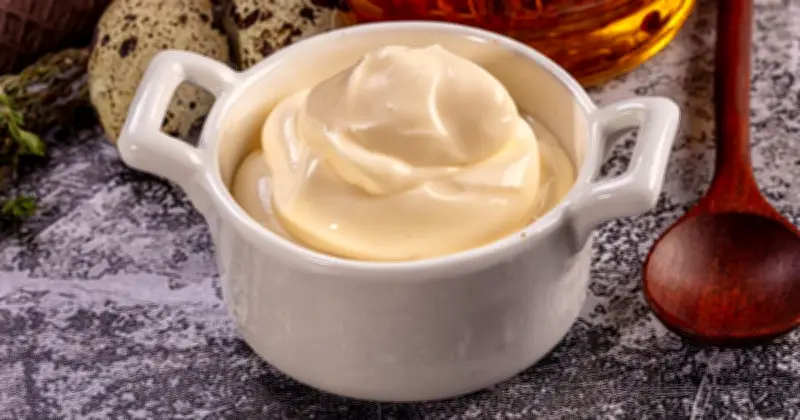
Mayonnaise and salad cream are two popular condiments found in many kitchens, but their differences are often misunderstood. Here we break down exactly what sets them apart.
Ingredients and Composition
Mayonnaise is a thick, rich emulsion made primarily from oil and egg yolks, typically containing 70% to 80% oil. Salad cream, on the other hand, is lighter and tangier, with a higher proportion of vinegar and water, and usually only 20% to 50% oil. It also often includes sugar and mustard for added flavor.
Texture and Consistency
Mayonnaise is thick and creamy, holding its shape well. Salad cream is runnier and more pourable, making it easy to drizzle over salads. The texture difference is due to the lower oil content and higher water and vinegar in salad cream.

Flavor Profile
Mayonnaise offers a rich, creamy, and neutral savory taste. Salad cream is noticeably sharper, tangier, and sweeter, thanks to the extra vinegar and sugar. This makes salad cream a zesty alternative for those who prefer a more pronounced flavor.
Common Uses
Mayonnaise is widely used as a sandwich spread, a base for tartar sauce and dips, and a binder for salads like tuna or chicken. Salad cream is typically used to dress green salads, coleslaw, or as a dip for chips. However, many people use them interchangeably depending on personal preference.
Understanding these differences can help you choose the right condiment for your dish, whether you want the richness of mayo or the tangy lightness of salad cream.