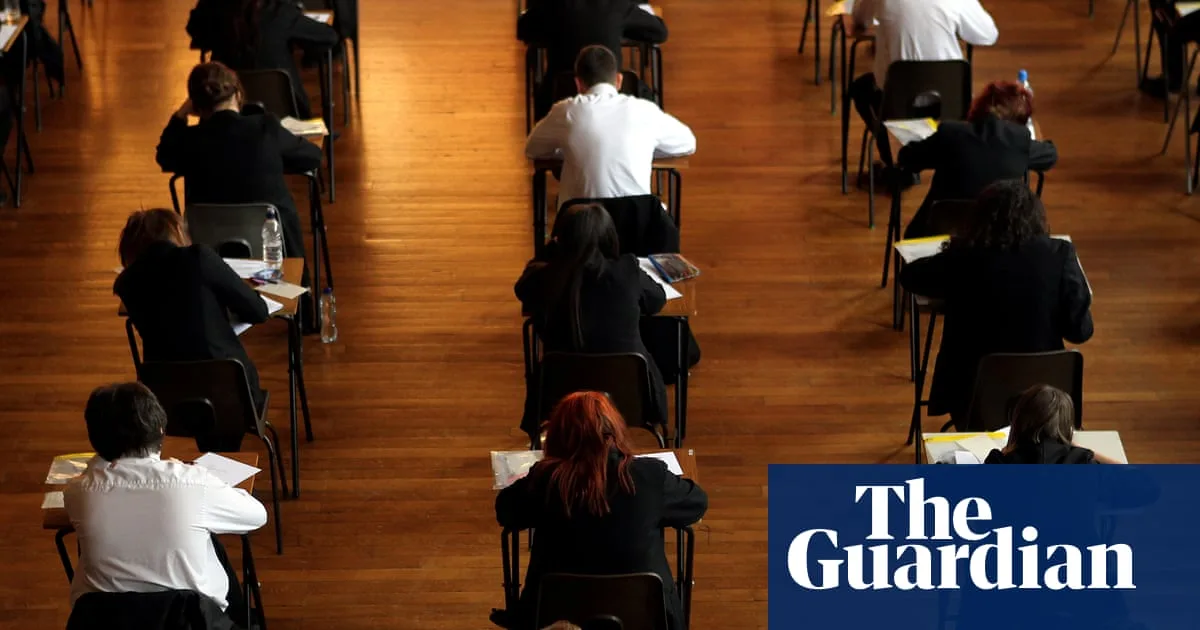
Exam stress at age 15 can increase the risk of depression and self-harm into early adulthood, according to a new study by University College London (UCL). Researchers analysed data from nearly 5,000 young people born in 1991 and 1992, tracking their mental health from age 16 to 22 and self-harm until 24. The study, published in the Lancet Child and Adolescent Health, found that those who worried most about schoolwork or felt pressure from families were more likely to report depression or self-harm later in life.
For every extra point of academic pressure reported at 15, the likelihood of depression at 16 rose by 25% and self-harm by 8%. This effect persisted into early adulthood. Higher school stress was also linked to greater mental ill health; for each one-point increase, 24-year-olds were 16% more likely to have ever attempted suicide compared to those with less pressure.
Senior author Professor Gemma Lewis said: 'Young people report that academic pressure is one of their biggest sources of stress. A certain amount of pressure to succeed can be motivating, but too much can be overwhelming and detrimental to mental health.' The study suggests reducing the number of high-stakes tests and implementing whole-school initiatives to enhance social and emotional learning and relaxation skills.

The findings echo research by Young Minds, which found nearly two-thirds of 15- to 18-year-olds struggled to cope before GCSE and A-level exams. Paul Noblet, head of external affairs at Young Minds, said: 'The evidence could not be clearer: academic pressures harm young people’s mental health. The focus needs to shift from end-of-year exams to a mix of assessment methods.'
Dr Sam Jones of the Royal College of Paediatrics and Child Health said the findings reflected wider pressures on children's wellbeing, including rising mental health problems, self-harm and eating disorders. He called for national action to improve access to mental health support, tackle child poverty, and reduce school stress. The children's commissioner, Rachel de Souza, urged a new system that intervenes earlier and wraps specialist services around schools.
A government spokesperson said: 'This government is determined to see every child achieve and thrive, which means encouraging pupils to work hard while also helping them manage stress and build resilience. Mental health support teams are already intervening early with children experiencing mild to moderate issues, and we’re expanding access to a mental health professional in every school.'