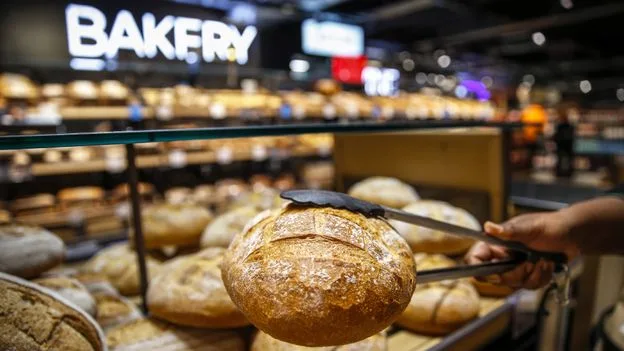
An American linguist has shed light on why Britain has so many regional names for a simple bread roll, from barm to cob to bap. Laurel MacKenzie, now at New York University, began asking her students at the University of Manchester to name a picture of a small round loaf. The responses revealed a patchwork of terms across the UK, reflecting centuries of linguistic evolution.
MacKenzie's map shows clear regional variations. 'Roll' is common in the south, while 'bun' is favoured in the North East. 'Barm' is highly localised to Manchester, and 'batch' is used only in Liverpool and Coventry. 'Bap' appears across the country, and some northerners use 'muffin' or 'tea cake' for an unsweetened, currant-free loaf.
Jonnie Robinson, lead curator of spoken English at the British Library, notes that these words become 'badges of identity' when people move. He cites recordings of people moving to London and insisting on 'cob', and a souvenir coaster in Nottingham reading 'C is for Cob'. The words' origins are diverse: 'roll' came from French with the Normans, while 'batch' may derive from Germanic 'bachen' (to bake). 'Barm' originally meant yeast, transferred to the bread containing it, and 'cob' narrowed from meaning something round.

Robinson explains that English has been spoken in the UK for over a thousand years, arriving with Germanic settlers who developed dialects in isolation. MacKenzie adds that 'separation plus time' cemented these differences, as people largely stayed in their regions. The result is a rich tapestry of terms for a humble staple, surprising to Americans accustomed to less variation over larger areas.