On 25 February 1956, Soviet leader Nikita Khrushchev delivered a secret speech to the 20th Congress of the Communist Party of the Soviet Union, denouncing Joseph Stalin as a brutal despot. The speech, titled 'On the Cult of Personality and Its Consequences,' was delivered behind closed doors but leaked to the West three weeks later.
According to reports from reliable Communist sources reaching Bonn, Khrushchev accused Stalin of responsibility for massacre and torture during his 30-year rule. He painted a vivid picture of a regime of 'suspicion, fear and terror' and held Stalin accountable for Soviet failures in the early stages of the Second World War, citing ignored warnings and the weakening of morale and economy through pre-war purges.
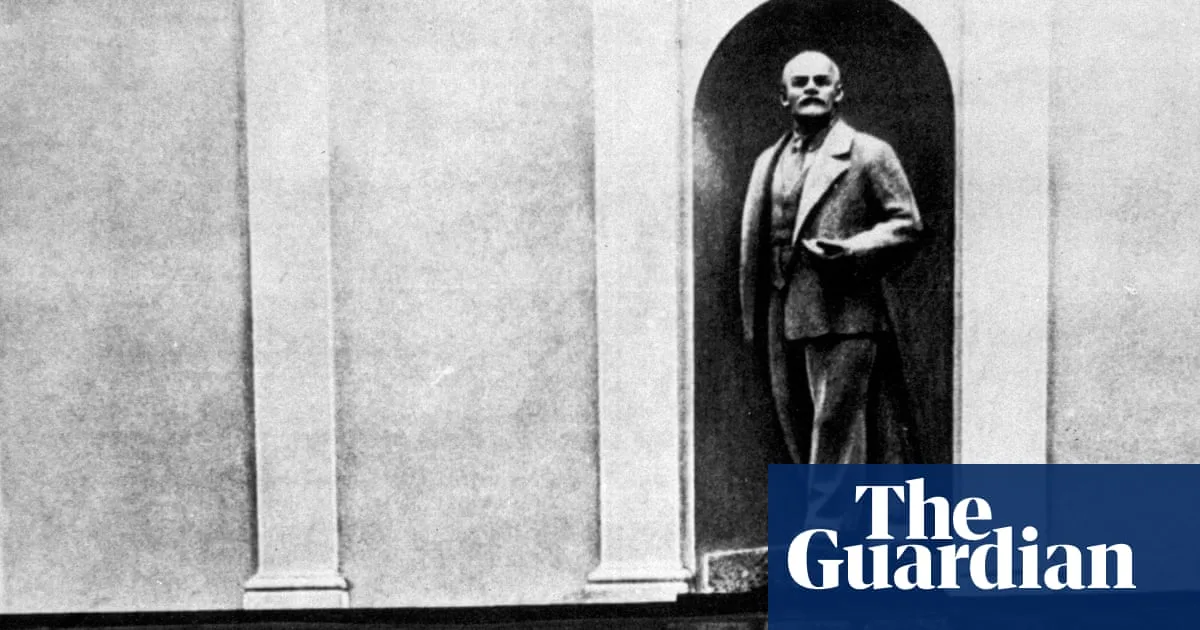
The congress resolution endorsed the Central Committee's report, emphasising a shift in Soviet foreign policy towards winning friends in colonial and neutral countries. It condemned the 'personality cult' without explicitly naming Stalin, while insisting on the importance of Lenin. The resolution instructed party and government organs to adhere to the five principles of peaceful coexistence and to promote their adoption globally.

Khrushchev's condemnation was not published in the Soviet press at the time, but Pravda made an oblique reference, stating that party meetings were welcoming steps to reintroduce Leninist principles of collective leadership and to do away with the cult of the individual. For readers, 'individual' clearly meant Stalin.