Timeline of Rasht Massacre Protests in Iran: A Chronicle of Unrest
Rasht Massacre Protests Timeline: Iran Unrest Chronicle

The Rasht massacre, a tragic event in Iran, has sparked widespread protests and drawn international attention to human rights issues in the country. This timeline provides a comprehensive overview of the key moments from the initial incident to the ongoing demonstrations and government reactions.

Initial Incident and Immediate Aftermath

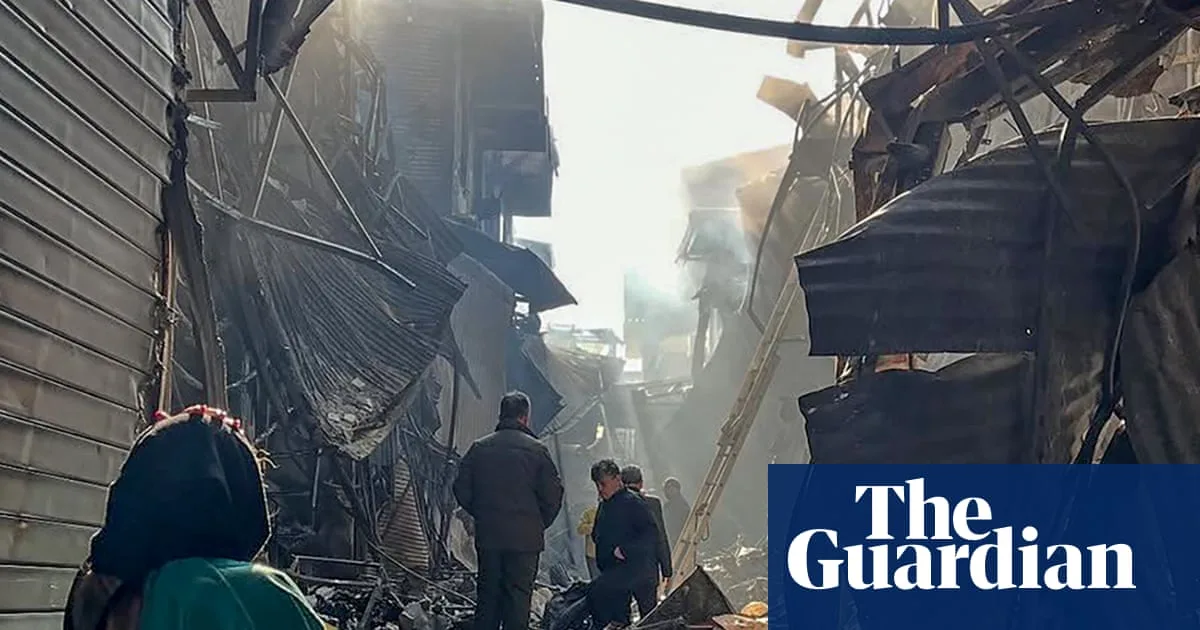
On February 6, 2026, reports emerged of a violent crackdown in Rasht, a city in northern Iran, resulting in multiple civilian casualties. Eyewitnesses described security forces using excessive force against peaceful protesters, leading to what has been termed the "Rasht massacre." The exact number of fatalities remains disputed, with official sources downplaying the toll while independent groups report higher figures.

Escalation of Protests

In the days following the incident, protests erupted across Iran, with demonstrators demanding accountability and justice for the victims. Major cities like Tehran, Isfahan, and Tabriz saw large gatherings, often met with heavy-handed responses from authorities. Social media played a crucial role in spreading information, despite government attempts to impose internet blackouts.

Government Responses and International Reactions

The Iranian government initially denied any wrongdoing, attributing the violence to "foreign agents" and "terrorist elements." However, as evidence mounted, officials announced an internal investigation, though critics dismissed it as a sham. Internationally, human rights organizations and several governments condemned the actions, calling for independent inquiries and sanctions against those responsible.

Key Events in the Timeline

  • February 6, 2026: Rasht massacre occurs, sparking immediate outrage.
  • February 7-10: Protests spread nationwide, with clashes reported in multiple cities.
  • February 11: Government imposes internet restrictions to curb information flow.
  • February 15: International bodies issue statements condemning the violence.
  • February 20: Iranian authorities announce a formal investigation, met with skepticism.
  • Ongoing: Continued protests and calls for justice, with periodic crackdowns.

Impact on Iranian Society

The Rasht massacre has deepened existing tensions within Iran, highlighting issues of governance, freedom of expression, and human rights. Many Iranians, particularly youth, have become more vocal in their demands for reform, leading to a sustained movement that challenges the status quo. The economic and social fallout has also been significant, with increased scrutiny on Iran's domestic policies.

Future Outlook

As protests persist, the situation remains fluid, with potential for further escalation or dialogue. Analysts suggest that the Rasht massacre could be a turning point in Iran's political landscape, influencing future elections and policy decisions. The international community continues to monitor developments closely, advocating for peaceful resolutions and accountability.

In summary, the Rasht massacre protests represent a critical chapter in Iran's recent history, underscoring the ongoing struggle for human rights and democratic principles in the face of adversity.