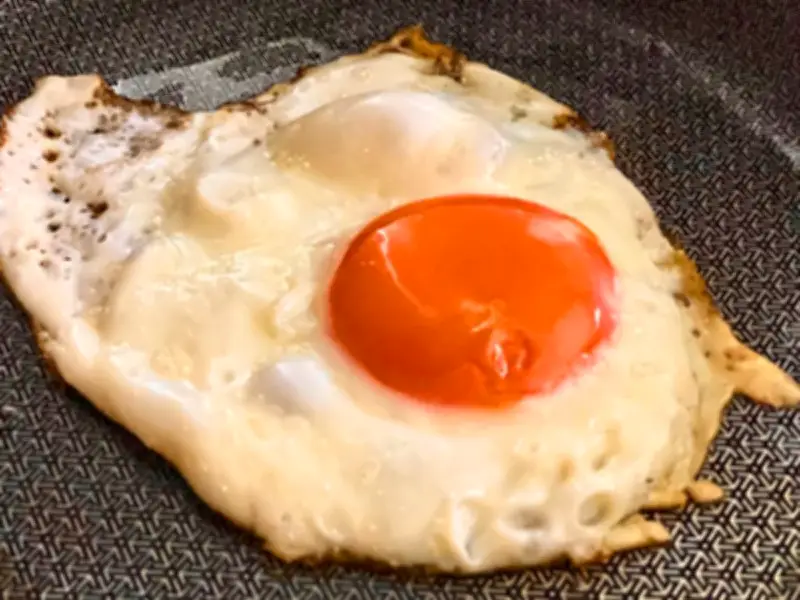
If you have only ever used butter or olive oil to fry eggs, a secret ingredient can take your fried eggs to the next level. Being a huge egg enthusiast, my preferred method of preparing them is scrambling with a tablespoon of Greek yoghurt. Yet, while they are far from the most thrilling option, lately I have found myself craving a fried egg.
To boost the flavour of fried eggs, I have previously prepared them with pickle juice brine, paprika seasoning and basil pesto, but there was another ingredient I was eager to try out. It turns out that introducing a vibrant new flavour to fried eggs is as straightforward as swapping your cooking fat from olive oil or butter to sesame oil. Numerous chefs online have championed the extra depth of flavour that sesame oil brings to fried egg recipes.
Having cooked eggs with this ingredient myself, I discovered that sesame oil not only delivers perfectly crispy fried eggs but also serves as a seasoning, contributing a warm nuttiness, a distinctive tang, and a subtle fruity taste. When the whites start to form, I cover the pan with a lid. I fry the egg with a lid on for two minutes to get sunny-side up results.

When it comes to frying eggs, I prefer to keep them in the fridge for at least an hour before cooking. I find this results in a beautifully creamy and runny yolk without overcooking — absolutely essential for the perfect fried egg. Rather than cracking the egg directly into the pan, I always break it into a bowl first. This not only guarantees an intact yolk and a shell-free crack every time, but also allows you to position the egg precisely where you want it in the pan.
Once the egg is in the pan, I wait until the whites begin to set, then cover it with a lid for two minutes, allowing the steam to gently cook the yolk through. The lid is the secret to this method; it ensures the egg cooks evenly throughout. It traps both heat and steam, helping the egg cook on both the bottom and the top. Without a lid, the base cooks far too quickly while the top takes considerably longer, so you are much more likely to end up with an overcooked, hard egg white long before the yolk is ready.