Sesame Street's Grand Return to Screens
After more than half a century since its original broadcast, the beloved children's programme Sesame Street is experiencing a remarkable renaissance. The iconic show has found a new home on Netflix, completely reimagined for today's digital generation while preserving the educational values that made it a household name.
The streaming giant has transformed the classic series into an interactive experience that maintains the same heartwarming lessons about counting, sharing, and kindness that first captivated audiences in the late 1960s. Created by former classmates Joan Ganz Cooney and Lloyd Morrisett five decades ago, the show now returns with a fresh approach designed to capture contemporary children's imaginations.
What's New in the Reboot?
The first four episodes are already available for streaming, with more content scheduled for release. Remarkably, the new 11-minute episodes launch on the same calendar date as the original series did back in 1969. This revival marks the first time Sesame Street has achieved true global reach, becoming available in over 30 languages worldwide.
Executive producer Sal Perez, who has been part of the Sesame Street family for over 15 years, shared his enthusiasm about the new direction. 'Season 56 reimagines Sesame Street,' he revealed. 'We're inviting children into the action and bringing them hand-in-hand through high-stakes stories. There are powerful learning moments and laugh-out-loud surprises around every corner.'
Perez emphasised that the show's curriculum continues to address children's most pressing needs, with this season focusing particularly on kindness and compassion - qualities he described as 'something we can all use more of today.'
Behind the Smiles: Sesame Street's Challenging History
Despite its cheerful exterior, Sesame Street has navigated numerous controversies throughout its long history. Many fans may have forgotten the series of scandals that occasionally rocked the beloved programme.
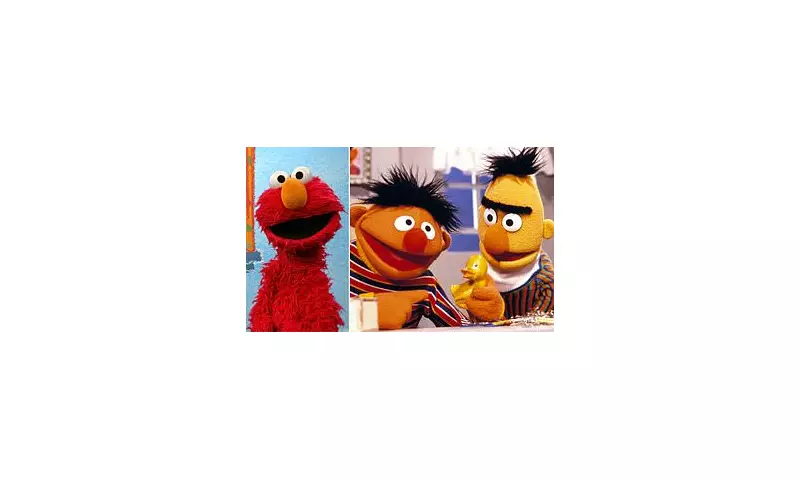
The most significant crisis occurred in 2012 when allegations surfaced against Kevin Clash, the voice actor behind the cherished character Elmo. Claims emerged that Clash had engaged in sexual relationships with young men, including a 16-year-old boy. Clash consistently denied any misconduct, maintaining that any relationships occurred after the individuals reached adulthood.
Following a second lawsuit alleging another inappropriate relationship from 1993, Sesame Street producers described the situation as a 'distraction' and removed Clash from his role in November 2012. Although no criminal charges were ever filed and several cases were dismissed, the allegations profoundly shook long-time viewers and tarnished the programme's family-friendly reputation. Ryan Dillon subsequently took over as Elmo's voice actor and continues in the role today.
Other Notable Controversies
In the 1970s, the character Roosevelt Franklin faced criticism for allegedly promoting negative stereotypes of black children. Despite being voiced by Matt Robinson and often teaching about African history, the character's frequent appearances in detention and rowdy behaviour concerned parents. After five years, the Children's Television Workshop decided to permanently remove the character from the series.
The programme also faced debates about Bert and Ernie's relationship, with decades of speculation about whether the roommates represented a gay couple. In 2018, former Sesame Street writer Mark Saltzman admitted he had 'always felt they were a couple,' though Sesame Workshop maintained its position that the characters have no sexual orientation. Original voice actor Frank Oz clarified: 'They're not gay. They're not straight. They're puppets. You can interpret them as you wish.'
More recent controversies included the introduction of Kami, an HIV-positive Muppet in 2002, designed to reduce stigma around the disease. While educational, some parents felt the topic was too mature for young viewers. The Cookie Monster also received a health-conscious makeover in 2005, embracing fruits and vegetables alongside his beloved cookies in response to growing childhood obesity concerns.
In 2010, the programme pulled a musical duet between Elmo and Katy Perry after parents complained about the pop star's revealing outfit. Sesame Street explained that while they often work with celebrities to engage adult viewers, they decided the segment wasn't appropriate for preschool television broadcasts.
Several episodes were banned over the years, including a 1976 Wizard of Oz special featuring Margaret Hamilton as the Wicked Witch that terrified young viewers, and a 1983 episode addressing death following actor Will Lee's passing, which explored Big Bird coming to terms with loss.
A New Chapter for an Iconic Show
Despite these challenges, Sesame Street has consistently evolved while maintaining its core mission of educating and entertaining young minds. The Netflix reboot represents the latest chapter in this remarkable journey, bringing Big Bird, Elmo, Oscar the Grouch and Cookie Monster to a new generation of children through interactive storytelling and musical lessons about counting, sharing, and belonging.
With its global launch in over 30 languages and innovative interactive format, Sesame Street demonstrates its enduring relevance in children's education and entertainment. The series is now available for streaming on Netflix, ready to create new childhood memories while honouring its rich legacy.