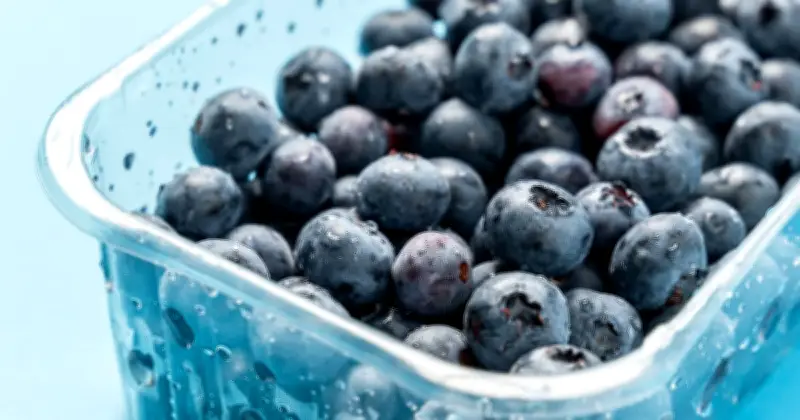
Blueberries are a delicious and nutritious fruit, but they have a short shelf life and are prone to moulding quickly in plastic containers. However, there is a simple method to keep blueberries fresh for longer. Supermarkets typically package berries in plastic containers because the lightweight material is easy to stack, though this is far from optimal for consumers, as it tends to trap significant amounts of moisture. Despite being vulnerable to water, blueberries themselves contain a remarkably high water content. When stored in the fridge, moisture becomes trapped by the plastic packaging, creating the ideal environment for mould to flourish.
Expert Advice: Switch to Glass Jars
Val Riley, founder of Lovely Lucky Life, has encouraged people to abandon plastic and instead transfer their berries into glass mason jars. She said: "The berries truly stay fresh for longer - they don't mush or mould nearly as quickly as they do in the plastic." Glass jars are substantially less prone to retaining moisture than plastic ones, and keeping their lids slightly ajar allows humidity to escape freely.
Why Blueberries Mould in Plastic
Blueberries naturally release water during storage, and placing them in a glass container simply promotes better air circulation, allowing any excess moisture to evaporate far more rapidly. It also helps enormously to keep blueberries on kitchen roll, as this absorbs any excess moisture, helping keep the fruit fresher for as long as possible. Blueberries can also harbour bacteria picked up during handling and transit, meaning they often already contain mould spores in the packaging, so they ought to be rinsed before being placed in the fridge.

Step-by-Step Guide to Storing Blueberries
While properly storing blueberries may appear to be a hassle, it genuinely takes no more than five minutes and will save you money in the long run, as you'll no longer find yourself repeatedly replacing spoilt fruit. Start by placing the blueberries into a colander and rinsing them thoroughly under cold running water to remove any bacteria or debris. Next, spread the blueberries out across a plate lined with kitchen roll and gently pat them dry. Ensure they are completely dry before storing, as any remaining moisture will promote mould growth. It is also worth carefully inspecting the blueberries, discarding any that appear soft, damaged or mouldy, as these will accelerate spoilage in the remaining fruit.
Final Storage Method
Transfer the blueberries into a clean glass jar, then lay a single sheet of kitchen roll on top to absorb any excess moisture. Fasten the lid loosely and pop them straight into the fridge. Not only does this method free up valuable space in your refrigerator, but it also helps reduce food waste considerably, enabling you to enjoy fresh blueberries for up to a week or two beyond their usual shelf life. Val said: "By putting the fruits and veggies in sealed jars straight into the fridge. They last about twice as long as they would in the plastic, BUT they won't last that long... because you'll eat them before they have a chance to spoil."