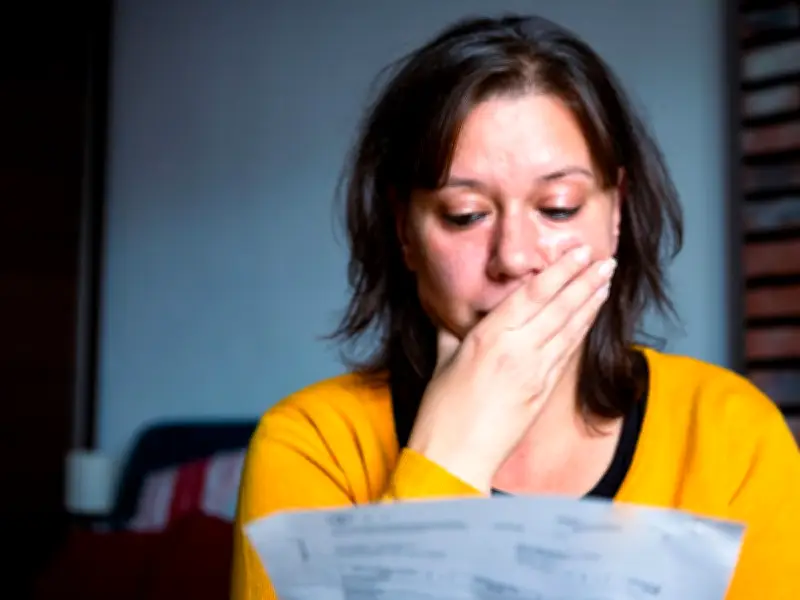
More than three in 10 people say they are in debt to their energy supplier or worried they will miss a payment, research has revealed. The finding from the End Fuel Poverty Coalition comes amid growing alarm about the scale of Britain's energy debt crisis. Households already owe almost £4.3 billion to suppliers, with the figure more than doubling since Russia's invasion of Ukraine in 2021 sent wholesale energy costs soaring.
Rising Energy Bills
Campaigners fear the situation will only get worse when Ofgem's energy price cap jumps by 13% to £1,862 a year for the typical dual fuel household that pays by direct debit from July 1. It marks an increase of £221, or £18 a month, based on the current price cap figure of £1,641.
Impact on Vulnerable Groups
The scale of the plight is far worse for some households than others. According to the new poll, 45% of parents with a child under 18 and 35% of disabled people are in debt or worried about falling behind with their energy payments. Among those in energy debt, the average owed to an energy supplier is £750.

Risky Borrowing Practices
The research also indicates that people may be turning to risky borrowing practices in order to stay afloat. One in eight of those in energy debt or worried about missing payments say they owe money to someone who makes them feel scared, rising to a quarter (24%) of those who are already in arrears.
Over the past 12 months, people already in energy debt have resorted to a range of drastic measures to reduce their spending, including:
- Using less energy by turning the heating off or taking shorter showers (32%)
- Keeping the home colder or warmer than is comfortable (25%)
- Missing rent or mortgage payments (21%)
- Skipping meals (21%)
- Turning to a foodbank for support (18%)
Expert Reactions
Simon Francis, coordinator of the End Fuel Poverty Coalition, said: "These figures lay bare the true cost of years of failure to fix energy debt caused by the sharp increases in bills. Millions of people are in debt to their energy company or worried about falling behind, and yet the price shock profiteers are posting billions in profits."
Frazer Scott, chief executive of Energy Action Scotland, said: "Far too many households are saddled with debt to their energy suppliers which they simply cannot repay. Government, industry and its regulator have provided no effective plan to reduce this debt and help to keep people warm and safe in their homes."
Emily Whitford, senior public policy advocate at the debt charity StepChange, said: "The findings provide a concerning snapshot of some of the harmful coping mechanisms that people are undertaking to keep up with energy bills. We've seen a 79% surge in average energy arrears among StepChange clients over the last five years, an increase by over £1,000 per client."
Whitford added: "To stop this crisis from escalating further when the price cap rises in July, we'd like to see the Government and regulator take urgent action to reduce the burden of energy debt and unaffordable bills for those in financial difficulty. This should involve the introduction of a tiered national social tariff, alongside an effective Debt Relief Scheme to help customers with energy debt incurred during the period of historically high prices to repay affordably."