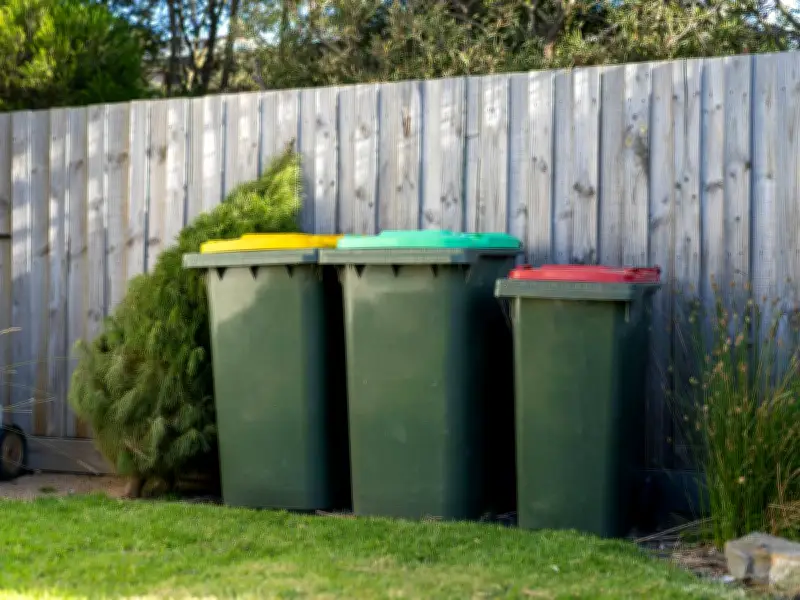
When it comes to garden waste, whether it is weeds or unwanted flora, disposal is typically straightforward - simply pop it in your bin. Yet this is not always appropriate, as there are three particular plants that warrant reporting and professional removal if found in your outdoor space.
While these plants might appear innocuous, they can actually cause chaos within your garden's ecosystem, and sometimes even inflict damage upon your property. From choking neighbouring vegetation to compromising your home's structural foundations, there are numerous reasons you will want these plants eliminated promptly, but instead of depositing them into your garden waste bin, you will probably require specialist assistance.
Japanese Knotweed
Japanese Knotweed is notorious for its invasive characteristics, spreading aggressively across gardens and causing property damage. Despite the plant's seemingly modest appearance, its root system can stretch beyond two metres while searching for water. This invasive species can be recognised by its green spade-shaped leaves and bamboo-style stems. During September and October, the knotweed produces white blooms.

Permitting Japanese Knotweed to spread onto adjacent properties constitutes an offence, and following removal from your land, it must be transported to specially licensed landfill sites or incineration facilities authorised for hazardous invasive waste disposal, rather than being discarded with standard garden refuse.
Giant Hogweed
Another invasive species, Giant Hogweed is less common than Japanese Knotweed but remains a concern for British gardeners. While hogweed might appear attractive with its white flowering heads, physical contact with this plant can result in severe skin reactions. Jennifer Holmes from Environment Controls previously stated: "If you touch Giant Hogweed you may not notice anything immediately as the effects may take up to 24 hours to emerge, but soon large blisters will form on skin and will recur when exposed to sunlight."
This presents a significant risk to inquisitive youngsters and animals. Should you find Giant Hogweed in your garden, you must immediately contact specialist removal services - never try to remove it yourself, or dispose of it in your regular waste bin.
Himalayan Balsam
Recognisable by its pink helmet-shaped blooms, Himalayan Balsam is commonly found near waterways, so those with riverside properties should watch out for this invasive plant. These flowers prove particularly appealing to bees and other pollinating insects, allowing them to proliferate rapidly. While Himalayan Balsam can be removed without professional help, it may require several growing seasons to fully eradicate from your garden. You must also ensure proper disposal of the plant by delivering it to a licensed waste facility instead of simply discarding it with your domestic rubbish.