Last winter, commercial beekeepers experienced their worst losses on record, with more than 60% of colonies lost. While many blame pests, pesticides, habitat loss, or extreme weather, the real culprit is our industrial food system.
The Plight of Managed Honeybees
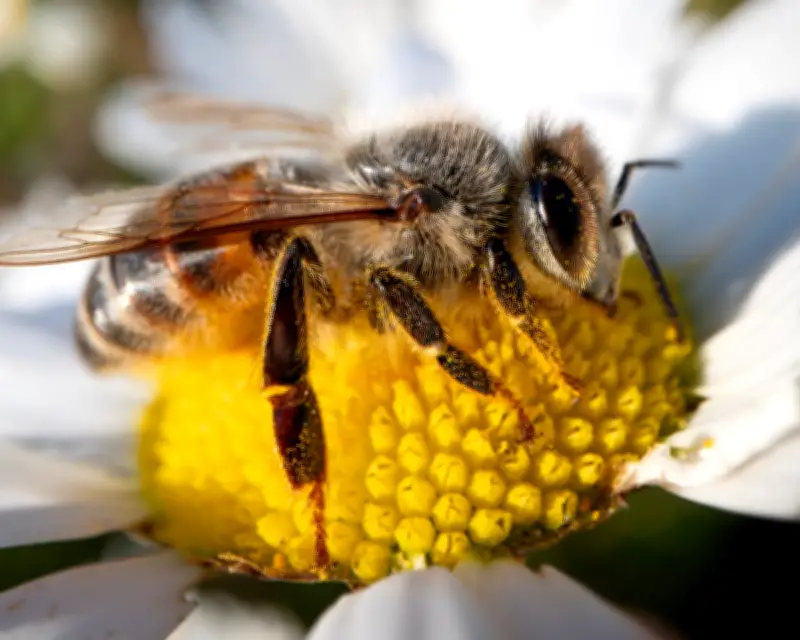
Managed honeybees contribute over $15 billion to the US food system, pollinating more than 130 fruits, nuts, and vegetables alongside native bees. However, these tiny laborers are treated like gig workers: trucked cross-country, fed supplements, bred for productivity, and exposed to pesticides. This grueling management is pushing bees to the brink.
Almond Pollination: A Super Bowl of Stress
Each February, over 2 million bee colonies are trucked to California to pollinate 1.4 million acres of almonds. This concentrated event spreads parasitic varroa mites and diseases, while fungicides sprayed during bloom can stunt bee growth, reproduction, and navigation despite not being labeled bee-toxic.

Beekeepers feed expensive supplements year-round to meet demand, breeding productive queens that are more susceptible to mites. Meanwhile, cheap foreign honey floods the market, undercutting prices and forcing reliance on pollination income.
Loss of Floral Oases
Beekeepers historically produced honey in the Northern Great Plains, but since the early 2000s, millions of acres of grasslands have been plowed for biofuel crops like corn and soy. This reduces forage and exposes bees to toxic agrochemicals.
Government Actions Worsen the Crisis
The Trump administration has gutted bee research, decommissioning the Beltsville Bee Research Lab and planning to close 57 of 77 Forest Service research sites and 16 USGS centers, including the Northern Prairie Research Center. These closures eliminate vital support for disease detection, overwintering loss research, and pest control.
As losses mount, beekeepers will charge more for pollination services or have fewer bees, leading to smaller harvests, pricier fruits and vegetables, and less diversity in produce aisles.
A Crucial Moment for Change
Bee declines destabilize our food system. To address this, we must restore funding for pollinator research, maintain and plant conservation lands, and require pesticide labels to capture sublethal toxicities. Bees and beekeepers have done their part; now our food system must too.