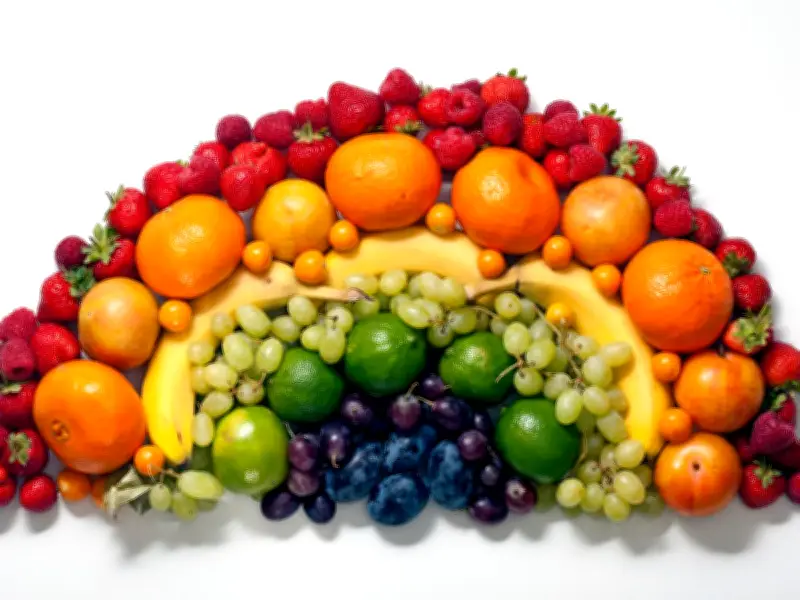
Eating fruit as part of a healthy balanced diet is important, but some varieties offer far more health benefits than others. A new study reveals that certain fruits are particularly effective at reducing the risk of heart disease due to their high flavanol content.
Flavanols: The Secret Weapon for Heart Health
Flavanols are natural compounds that help neutralize harmful free radicals in the body and are widely recognized for boosting cardiovascular and cognitive health. The study, which tracked the diets of more than 30,000 participants across the UK and United States, found that fewer than one in five people consume enough flavanols to actively reduce their risk of heart disease—even those who regularly hit their five-a-day target.
"Most people assume that eating plenty of fruit and vegetables covers this," said Dr. Javier Ottaviani, the paper's lead author. "But what this research shows is that the specific choices you make matter far more than the total amount. Including a handful of blackberries, a whole apple, or having a cup of green tea alongside your meal could make a real difference."

Top Fruits and Foods Highest in Flavanols
The foods with the highest flavanol content per portion include:
- Plums (500g): approximately 450mg of flavanols
- Cranberries (250g): approximately 300mg of flavanols
- Blackberries (200g): approximately 250mg of flavanols
- Green tea (one 250ml cup): approximately 200mg of flavanols
- Broad beans/fava beans (80g): approximately 140mg of flavanols
- Cherries (400g): approximately 130mg of flavanols
- Apples with skin (200g): approximately 110mg of flavanols
- Strawberries (200g): approximately 90mg of flavanols
- Blueberries (150g): approximately 80mg of flavanols
- Pinto beans (40g dry): approximately 70mg of flavanols
Professor Gunter Kuhnle of the University of Reading said: "Five-a-day is the right message, but we may need to think more carefully about which five. Different fruits and vegetables offer very different nutritional benefits beyond vitamins and minerals."
Other Nutrient-Rich Fruits to Include
Blueberries
Blueberries are packed with vitamin C, fiber, and antioxidants, especially anthocyanins. They promote heart health, regulate blood sugar, and may enhance brain function and exercise recovery. Frozen blueberries often retain more nutrients than fresh.
Raspberries
Raspberries are high in fiber, vitamin C, and antioxidants. Their fiber content supports digestive health and helps maintain a healthy gut microbiome. Frozen raspberries are a good alternative to fresh.
Strawberries
Strawberries are rich in vitamin C, anthocyanins, and polyphenols. They help lower LDL cholesterol, regulate blood pressure, and reduce the risk of heart disease and strokes.
Plums
Plums are low in calories but high in antioxidants, fiber, vitamins A, C, and K, and potassium. They support digestion, bone health, and heart health.
Cranberries
Cranberries are famous for preventing UTIs and also support heart health, digestive wellness, and oral hygiene due to their antioxidant content.
Blackberries
Blackberries have high fiber content and are loaded with polyphenols, particularly anthocyanins, which may protect against cognitive decline.
Kiwis
Kiwis are exceptionally rich in vitamin C and E. Eating the skin maximizes benefits. They also contain actinidin, an enzyme that aids digestion.
Oranges
Oranges provide over 90% of daily vitamin C and contain flavonoids like hesperidin that reduce inflammation. Due to acidity, consume them as part of a meal.
Apples
Apples are rich in soluble fiber (pectin) and antioxidants like quercetin. They help stabilize blood sugar and lower LDL cholesterol. Eat them with the skin for maximum benefits.
Pears
Pears are high in fiber and water, aiding weight loss and digestive health. They also contain antioxidants that support heart health.
Peaches
Peaches are full of antioxidants that improve heart health and aid digestion. However, they may cause bloating in sensitive individuals due to sorbitol.
Cherries
Cherries contain melatonin, which promotes better sleep, and have anti-inflammatory properties that help manage arthritis symptoms.

Grapefruit
Grapefruit is high in vitamin C, fiber, and potassium, supporting heart health and weight management. Avoid it if taking certain statins.
Mangoes
Mangoes support immune health, skin, and eye health due to vitamins A, C, and E. They are high in natural sugar, so portion control is important.
Grapes
Grapes, especially red and purple varieties, contain resveratrol, which reduces inflammation and supports heart health. They are high in natural sugars.
Bananas
Bananas are rich in potassium and fiber, making them ideal for pre- or post-workout energy. They are higher in calories and natural sugars than other fruits.
Pineapple
Pineapple contains bromelain, an enzyme with anti-inflammatory properties. It is high in vitamin C and manganese but acidic, which may trigger heartburn.
Melon
Melons are hydrating and contain vitamins C and A, as well as lycopene. They are low in fiber and moderate in natural sugar.