World's first frozen testicular tissue transplant restores sperm production in infertile man
Frozen testicular tissue transplant restores sperm production

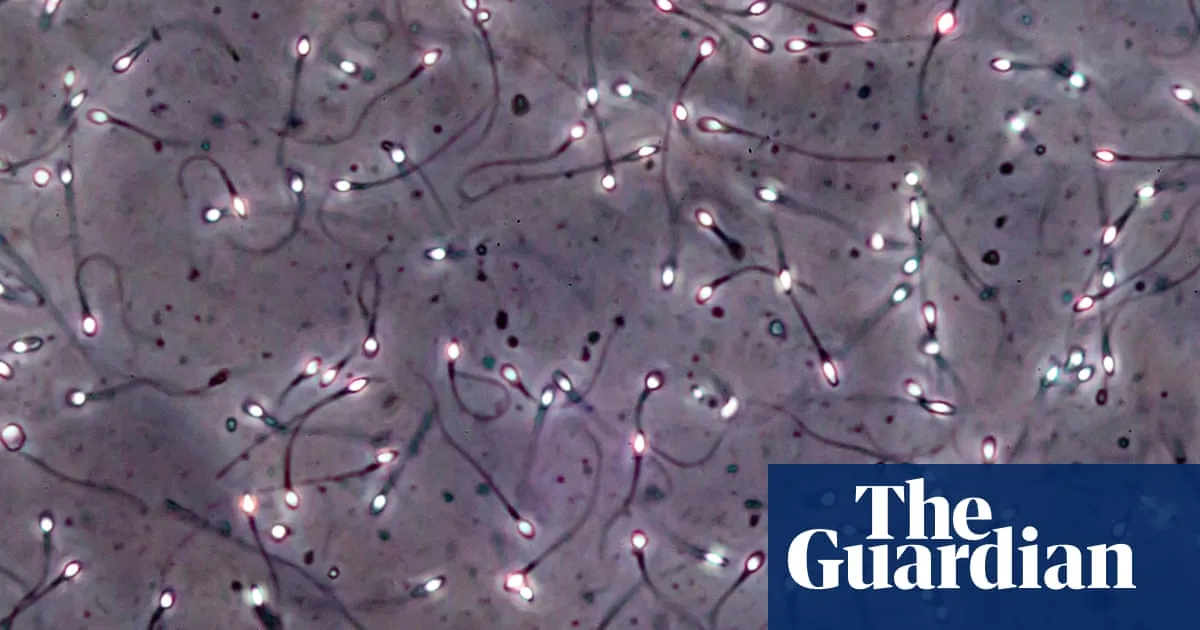
An infertile man who received the world's first frozen testicular tissue implant now has renewed hope of starting a family after successfully producing sperm. The 27-year-old patient had testicular tissue frozen before undergoing toxic chemotherapy as a child to treat sickle cell disease. The tissue was re-transplanted last year, 16 years after its removal, and tests now show he is producing mature sperm.

Pioneering Medical Breakthrough

This marks the first time a transplant of cryopreserved prepubertal testicular tissue has been shown to restore sperm production in an adult patient. Professor Ellen Goossens, who led the pioneering work at Vrije University Brussel in Belgium, described the achievement as a huge finding. She stated that many more people will now have hope that they can have biological children, adding that it is great to see for patients whose tissue has already been banked.

Background and Procedure

Treatments such as chemotherapy and radiotherapy can be life-saving for childhood cancer and sickle cell patients but often leave them infertile. After puberty, it is possible to preserve male patients' sperm for later use in IVF, but this is not an option for prepubescent boys. In 2002, the Belgian clinic became the first to start banking testicular tissue from prepubertal patients. The immature testes contain spermatogonial stem cells, the precursors of sperm, and sertoli cells, essential nurse cells that support developing sperm.

Wide Pickt banner — collaborative shopping lists app for Telegram, phone mockup with grocery list

Professor Goossens noted that when the clinic began, the field was in its infancy, with methods being developed in animals. Families were told that success could not be guaranteed. Now, the first wave of patients are reaching their mid-20s and wanting to start families. The first man to have tissue re-transplanted had received high-dose chemotherapy in 2008 to wipe out his own blood cells before a bone marrow transplant. Before treatment, the clinic surgically removed one testicle, cut it into small pieces, and froze the tissue.

Last year, four tissue fragments were grafted back into the remaining testicle and four under the skin of the scrotum. After a year, the grafts were removed and analysed in a laboratory. Two of the grafts from inside the testicle had produced mature sperm, which was collected and frozen. Professor Goossens stated that the sperm looked normal but cautioned that it remains to be seen whether it can fertilise an egg.

Future Prospects and Considerations

Because the implanted tissue is not directly connected to the sperm duct, researchers do not expect sperm cells to naturally enter the semen. The patient is now considering a second round of grafts to collect more sperm or proceeding with IVF shortly. The findings have not yet been peer-reviewed, meaning they have not been independently checked for accuracy. The researchers warn that pregnancy would require careful monitoring, with close observation of embryo development, pregnancy progression, and long-term health outcomes in any resulting offspring.

Global Impact and Similar Trials

Professor Rod Mitchell, a paediatric endocrinologist at the University of Edinburgh, is running a similar trial. His clinic began banking testicular tissue in 2014 and, with colleagues in Oxford and London, has frozen samples for over 1,000 UK patients. He expects to carry out the first transplants imminently and described the Belgian result as proof of principle that this approach works. He noted that more than 3,000 patients worldwide already have testicular tissue banked, and in the UK, about 200 patients each year would likely benefit.

Professor Mitchell expressed excitement that the field, which has been working on this for 15 years, is now coming to fruition. He emphasised the importance of raising awareness so that all eligible patients know about the option.

Pickt after-article banner — collaborative shopping lists app with family illustration