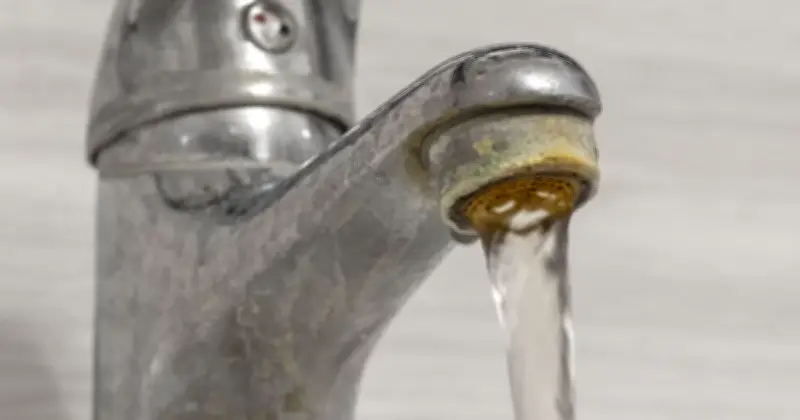
Limescale is a familiar sight in many UK households, with taps, toilet bowls, shower heads and kettles all being susceptible to the chalky green scourge. Due to their frequent contact with water, limescale is hard to avoid on these appliances and if you live in a hard water area, it's likely to build up even faster due to its high concentration of dissolved minerals, particularly calcium and magnesium.
When water evaporates it leaves behind chalky deposits of these minerals which then form limescale, but of course, how bad the problem is also depends on how often you clean your appliances. If left unchecked, limescale can eventually lead to an array of issues like restricted water flow, leaks and drips from your taps, damage to the heating element in kettles, and can affect the performance of your dishwasher.
Why Lemon Juice Works Better Than Vinegar
While white vinegar is a popular option for tackling the problem, according to cleaning experts an alternative natural ingredient actually works better – and that's lemon juice. Lemon juice is generally considered a better option as the citric acid effectively dissolves the limescale and it is more gentle than using vinegar, plus it leaves a much more pleasant smell.

In its online advice on removing limescale from taps and shower heads, Plomberie Pro-Drain said: “Lemon juice is a natural acid that can help dissolve mineral deposits. Rubbing lemon halves on the affected areas or applying lemon juice and allowing it to sit for a while can loosen the deposits. It has the added benefit of leaving a fresh citrus scent behind. This method is milder than vinegar and can be useful for light to moderate mineral buildup.”
How to Use Lemon Juice for Limescale Removal
To tackle the limescale, experts say you simply need to soak the affected area in lemon juice and leave this for around an hour to work its magic. For awkward shapes like taps or shower heads, it’s recommended that you squeeze the lemon juice onto a cloth or piece of kitchen roll and then wrap this around the tap or shower head and fix it in place. Alternatively, you can squeeze some lemon juice into a small plastic bag and leave it to soak into the limescale.
If you have limescale build-up on the spout of your taps then you can push a lemon half onto it and leave this for a few hours, or overnight if you can. After removing your cloth and lemon half, simply wipe the tap clean and the limescale should come free. For stubborn residue, try repeating the process again.
In its online guidance on removing limescale around the house, household cleaning and kitchen paper brand Plenty said: “If you’re looking for a natural way to remove limescale, lemon is your new best friend. High in acidity, it has the added bonus of making your bathroom smell fresh. To remove limescale from taps using lemons, cut a lemon in half and squeeze the juice into a bowl. Soak a paper towel in the juice – we recommend one that’s strong when wet, like Plenty – and drape this over the faucet. Leave for at least one and a half hours. Put your feet up. Spend some time with the kids. Take off the soaked paper towel, and wipe the remnants of the limescale away with a freshly dampened sheet. Plenty Flexisheets will hold together, even through soaking, rubbing and scrubbing. It’s important for the paper towel to stay wet with lemon juice and to cover the full surface of the limescale-affected area. If it slides off, you may need to use a rubber band to make sure it sticks to the faucet.”