The Met Office has issued an update on the increased risk of heatwaves in the UK this summer, following the warmest spring since 1884. Despite record-breaking temperatures at the end of May, forecasters are warning of a higher likelihood of prolonged hot spells across June, July, and August.
Record-Breaking May Heatwave
The May bank holiday heatwave saw historical temperature records shattered. A high of 35.1C was officially recorded at Kew Gardens in London, surpassing a national May record that had stood since 1944. This spike prompted authorities to issue the year's first amber and yellow heat-health alerts.
Three-Month Outlook
According to the Met Office's three-month outlook, large-scale climate patterns indicate a strong signal for hotter-than-average conditions. Forecasters state there is an "increased chance of heatwaves and heat-related impacts," with temperatures expected to trend consistently above seasonal parameters. However, they emphasize that this represents a shift in probabilities, not a guaranteed outcome.

"Variability is always a key aspect of our weather," a Met Office spokesperson noted, reminding the public that a statistically "hot" summer can still feature cool spells, and a "wet" season can have sunny days.
Alignment with Other Forecasters
MeteoGroup, which supplies data to BBC Weather, has aligned with the assessment, predicting "significant bursts" of heat and notable temperature spikes across the UK and continental Europe.
Climate Change Attribution
"Hotter summers are now twice as likely compared to the 1991–2020 average," a Met Office spokesperson said, attributing the shift to ongoing climate change. "The shift in likelihood towards hot conditions is consistent with the long-term trend of rising UK temperatures linked to global climate change. This means that what we consider 'average' is gradually shifting over time."
Rainfall Concerns and Drought Risk
While temperature projections carry high confidence, rainfall forecasts remain divided, raising concerns about water shortages. During summer 2025, overall rainfall was 84% of the seasonal average, but this masked severe regional imbalances. Northern and western areas were wetter, while central, eastern, and southern England received less than half of expected rainfall, triggering drought declarations and hosepipe bans.
Deficits from a dry spring have left regions like Essex, Suffolk, Cambridgeshire, and Dorset with as little as 25% of average rainfall, pushing river levels to "notably" or "exceptionally low" marks.
Infrastructure Strain
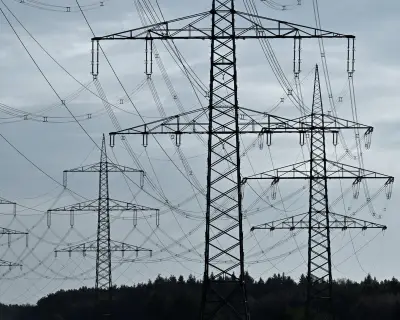
Evidence of infrastructure strain emerged during the late-May heatwave. Thames Water reported a consumption surge of an additional one billion litres of water compared to the same period last year, causing supply disruptions for approximately 18,000 homes in the South East.
Preparedness and Variability
Utility sectors and healthcare providers are using these long-range models for contingency planning. However, forecasters maintain that seasonal outlooks do not rule out shorter periods of cooler or unsettled weather.