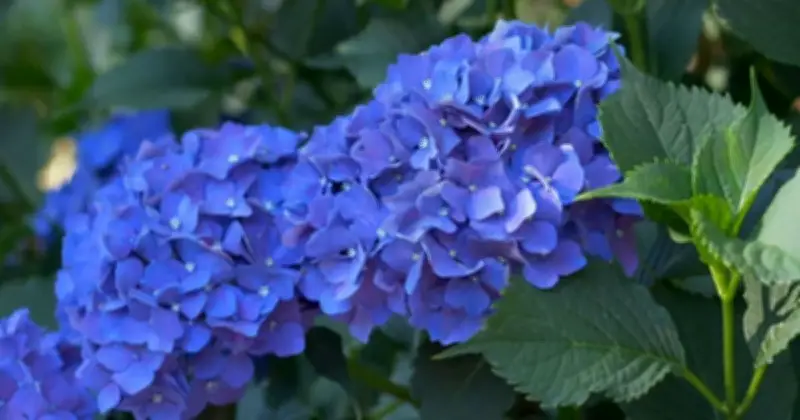
Hydrangeas are renowned for their spectacular summer blooms, but achieving fluffier and more vibrant flowers requires a simple task completed before the end of June. As summer approaches, hydrangea flower buds should already be forming, yet many gardeners overlook the crucial care needed during this period.
Why June Mulching Is Essential
Hydrangeas are particularly vulnerable to heat stress. Their shallow roots and large leaves demand consistent moisture, and without protection, high temperatures can cause petals to brown, wilt, and halt growth entirely. Skye Hamilton, known as the "Hydrangea Queen" and founder of Hamilton House Designs, emphasizes that mulching before the temperature rises is vital for retaining moisture, nutrients, and soil health.
The Right Mulch Matters
While many gardeners choose mulch based on aesthetics—such as stones or coloured gravel—these materials heat up quickly and fail to retain water, potentially damaging hydrangea roots. Instead, natural bark mulch is recommended. Pine, cedar, or fir bark are ideal for acid-loving hydrangeas, as they prevent rapid evaporation, keep roots cool, and maintain consistent moisture.

Hamilton advises: "When mulching hydrangeas, natural is best. Hydrangeas are acid-loving plants so when it comes to mulch, I recommend pine, cedar or fir. As long as it's natural, the size and shape is completely personal preference."
How to Mulch Hydrangeas
Spreading a thin layer of natural bark mulch around the base of hydrangeas is one of the simplest yet most effective ways to ensure healthy, long-lasting flowerheads. This insulation keeps roots cool and hydrated, enabling the plant to withstand even the hottest summer weather.
By performing this easy task before July, gardeners can enjoy lush, vibrant hydrangea blooms throughout the season, avoiding the disappointment of wilted or browned flowers.