Britain is “sleepwalking into a food crisis” that could lead to civil unrest within ten years unless the government takes urgent action, food experts have warned. In a letter to ministers, nine industry figures including a former Marks & Spencer director and a retired general called for an updated national food strategy to address the growing threats from extreme weather, inflation and the impacts of the Iran war.
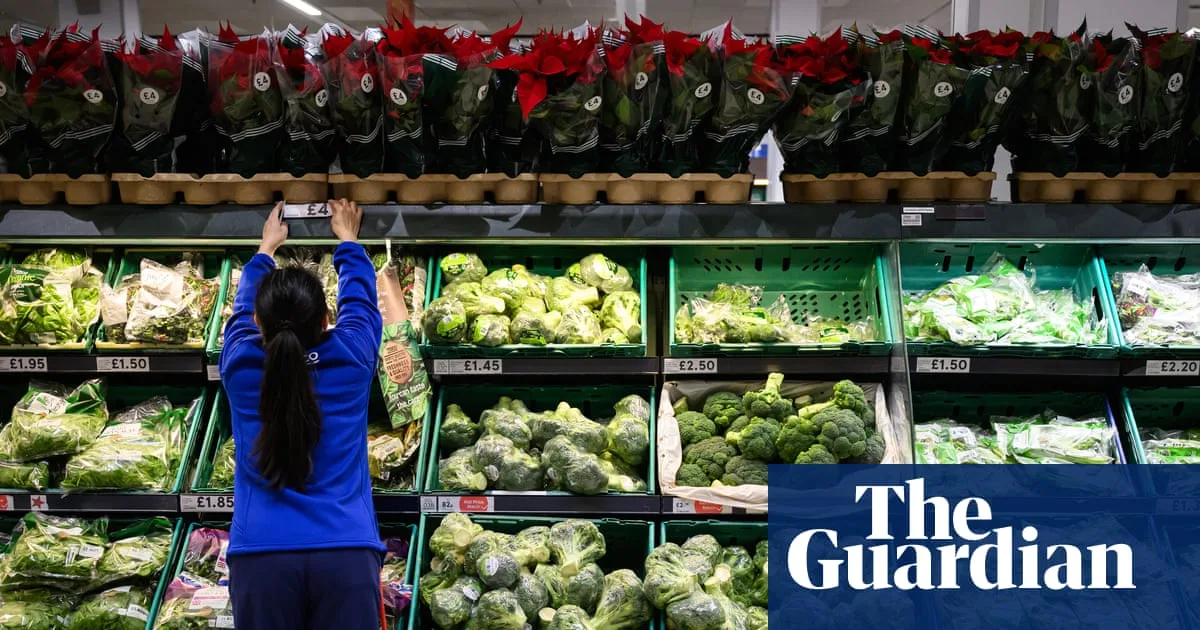
Farmers are already under severe strain from a heatwave following a dry spring, with many crops likely to yield less as temperatures rise beyond tolerance. Livestock are suffering heat stress, and there is a rising risk of wildfires. Economic losses are expected to reach hundreds of millions of pounds, while food prices are on track to be 50% higher this November than five years ago.
Even if the Iran war is resolved soon, fuel and fertiliser prices will remain high until the supply crunch through the Strait of Hormuz eases. Chancellor Rachel Reeves recently floated the idea of voluntary price caps on staple foods but was rebuffed by supermarkets and opposition parties.

Tim Lang, emeritus professor of food policy at City St George’s, University of London, said the government’s current strategy amounts to “business as usual” and warned that volatility is the new normal. “Whether we see food security as an issue of escalating food poverty or as a defence issue, there are no grounds for complacency,” he said.
Retired General Richard Nugee, a signatory to the letter, said food security should be a top-level national security concern. He warned that while civil unrest is still unlikely, people could become “extremely stressed by not being able to afford food and therefore taking matters into their own hands”. He added: “There is potential for disruption of supply chains and of supply, and for the UK not to provide sufficient food at the right price. That is a national security issue.”
The experts urged ministers to focus on three priorities: resilient domestic production of healthier food, greater preparedness for supply chain shocks, and ensuring access for all to safe, affordable and healthy food. The Climate Change Committee has advised against allowing domestic food production to drop below 60% of the UK’s needs, warning that climate damage to food production could exceed £2bn a year by the 2030s.