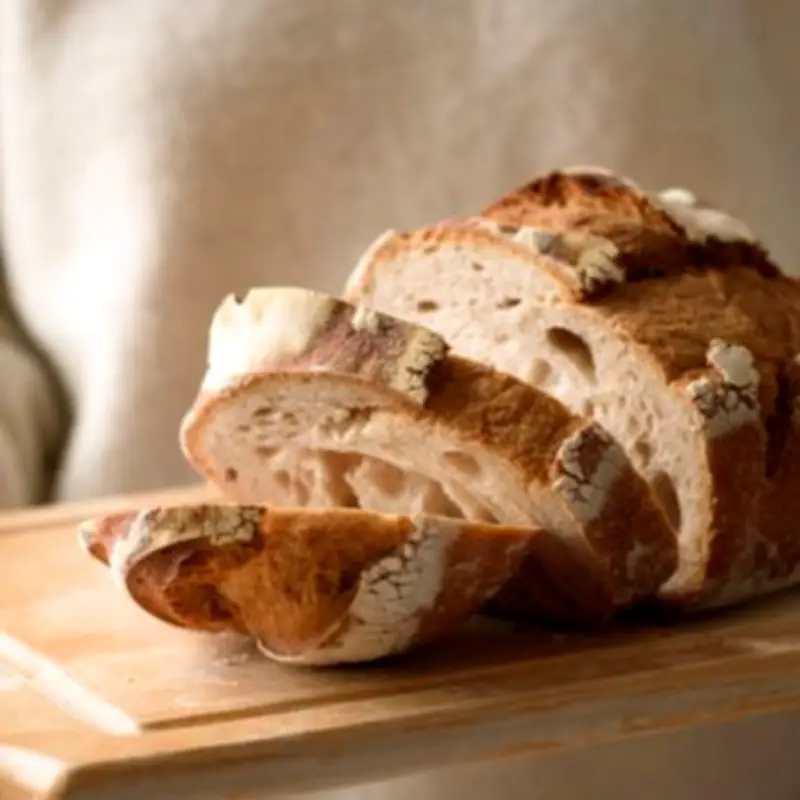
Sourdough bread has become a staple in many households across the UK in recent years - but not all loaves are created equal, and one ingredient on the label gives it away.
What Makes Sourdough Authentic?
Traditional sourdough is made from simple ingredients: flour, water, and salt. It relies on a natural starter containing wild yeast and lactic acid bacteria, which ferment the dough slowly. This process gives sourdough its distinctive tangy flavour and chewy texture.
The Yeast Test
Dr Vanessa Kimbell from the Sourdough School Magazine explains that the presence of yeast in the ingredients list is a clear sign of a fake sourdough. She says: "If you see yeast in the ingredients list, it is not genuine sourdough. The wild yeast in a live starter does the work - adding commercial yeast is a shortcut that bypasses the fermentation process entirely."

Conventional bread uses commercial baker's yeast to rise quickly, while authentic sourdough relies on its natural starter for a longer, more beneficial fermentation.
Other Red Flags
Another warning sign is 'sourdough flavouring' or 'sourdough concentrate' on the label. These additives mimic the taste of fermentation without the actual process or health benefits.
Nutritional Differences
Genuine sourdough offers superior nutrition. During long fermentation, lactic acid bacteria break down phytic acid, which binds to minerals like iron, zinc, and magnesium. This makes these minerals more bioavailable. Studies show sourdough fermentation is more effective than yeast fermentation at reducing phytate levels. Real sourdough makes almost all vitamins and minerals in flour significantly more accessible, while fast-risen bread does not allow this transformation.