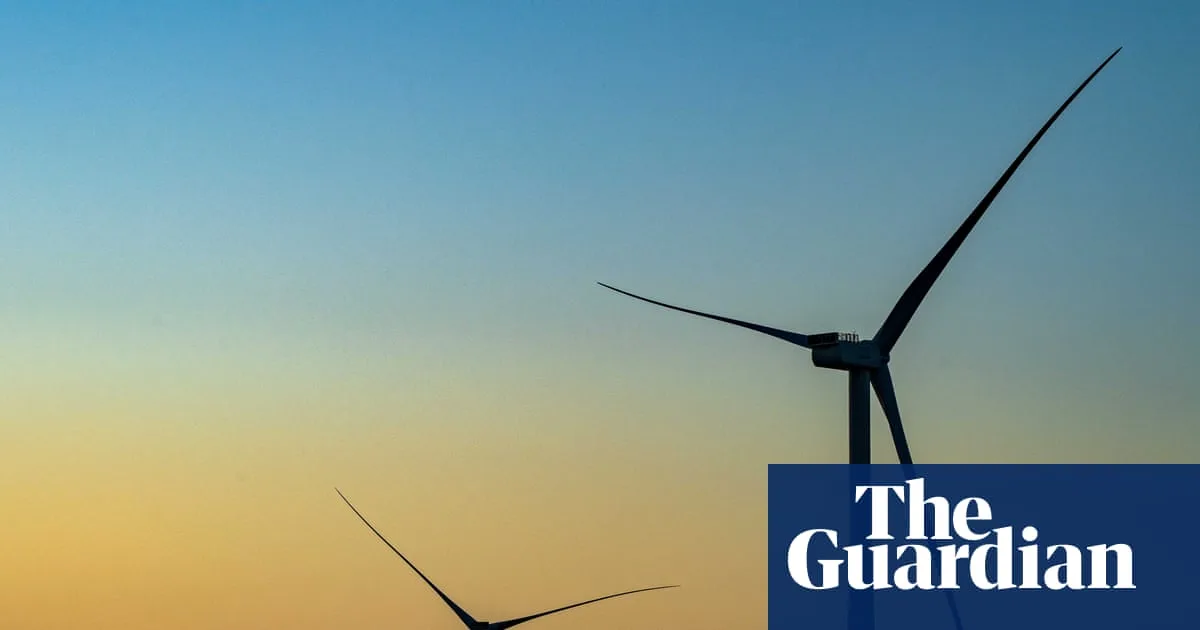
Plans to have Australia's first offshore wind turbines spinning by 2032 are looking increasingly uncertain as investors back out of multiple projects. In recent months, Novocastrian Wind abandoned its 2GW feasibility licence off NSW, while BlueFloat Energy surrendered its licence for the A$10bn Gippsland Dawn project in Victoria. Major investor Equinor also withdrew from several projects, citing global challenges and project-specific factors.
The setbacks come despite the Australian government's ambitious targets. Energy Minister Chris Bowen had previously stated the goal of becoming a world leader in offshore wind. However, Bowen now acknowledges that progress has been 'harder and slower than we hoped'. The industry also faces global uncertainty, partly driven by US President Donald Trump's suspension of new permits and halt to construction on the near-complete Revolution Wind project.
Key hurdles include high upfront costs and revenue uncertainty. According to the CSIRO's GenCost report, offshore wind is currently 64% more expensive than onshore wind, largely due to installation difficulties and the need for specialised equipment. Australia also lacks experienced workers for this new technology.

Proponents argue that once established, offshore wind offers clear benefits: proximity to cities reduces transmission needs, and strong sea winds complement onshore renewables. Morgan Rossiter of the Clean Energy Council says Australia is 'late to join the offshore wind party' and stresses the urgency as 90% of coal capacity is set to retire by 2035.
Experts call for government support mechanisms, such as contracts-for-difference (CfDs), which have been used successfully in Europe and Asia to provide revenue certainty. Professor Llewelyn Hughes of the Australian National University says such financial instruments are essential for attracting investment. The Clean Energy Council urges a shift from policy enablement to active support, including a national strategy and auction pipeline.