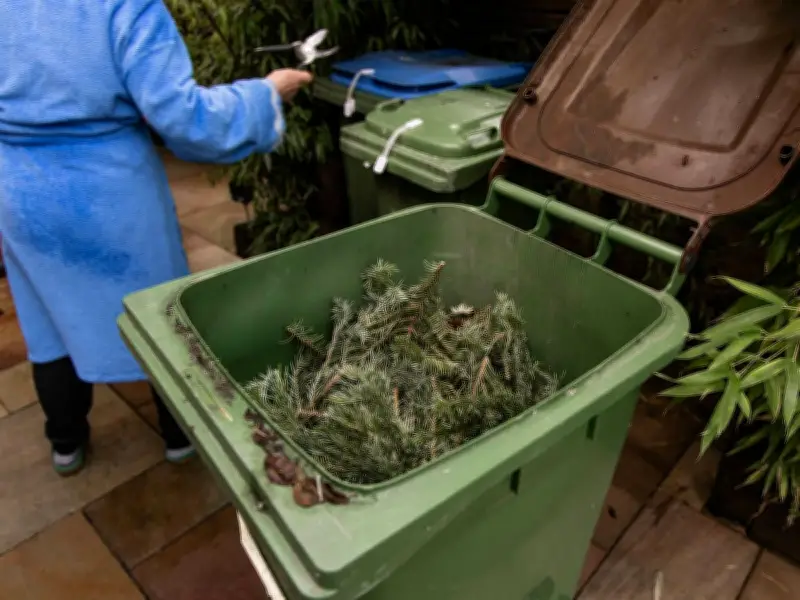
Gardeners are being cautioned against disposing of three common invasive plants in their regular garden waste bins. These species require specialist removal and disposal to prevent ecological damage and potential harm to property and health.
Japanese Knotweed
Japanese knotweed is notorious for its aggressive growth, capable of damaging building foundations and spreading rapidly. Its roots can reach depths of over two meters. It is illegal to allow it to spread to neighboring properties. Disposal must be at licensed landfill or incineration facilities that handle hazardous waste.
Identification
The plant has green, shovel-shaped leaves and bamboo-like stems, producing white flowers from September to October.

Giant Hogweed
Giant hogweed poses a serious health risk. Contact with its sap can cause severe skin blisters that recur with sunlight exposure, especially dangerous for children and pets. Professional removal is essential; do not attempt to dispose of it yourself.
Himalayan Balsam
Himalayan balsam, with its pink helmet-shaped flowers, is often found near riverbanks. It spreads rapidly due to its appeal to pollinators. Removal can take several growing seasons, and plant material must be taken to a controlled waste site.
Always consult professionals for these invasive species to ensure safe and legal disposal.