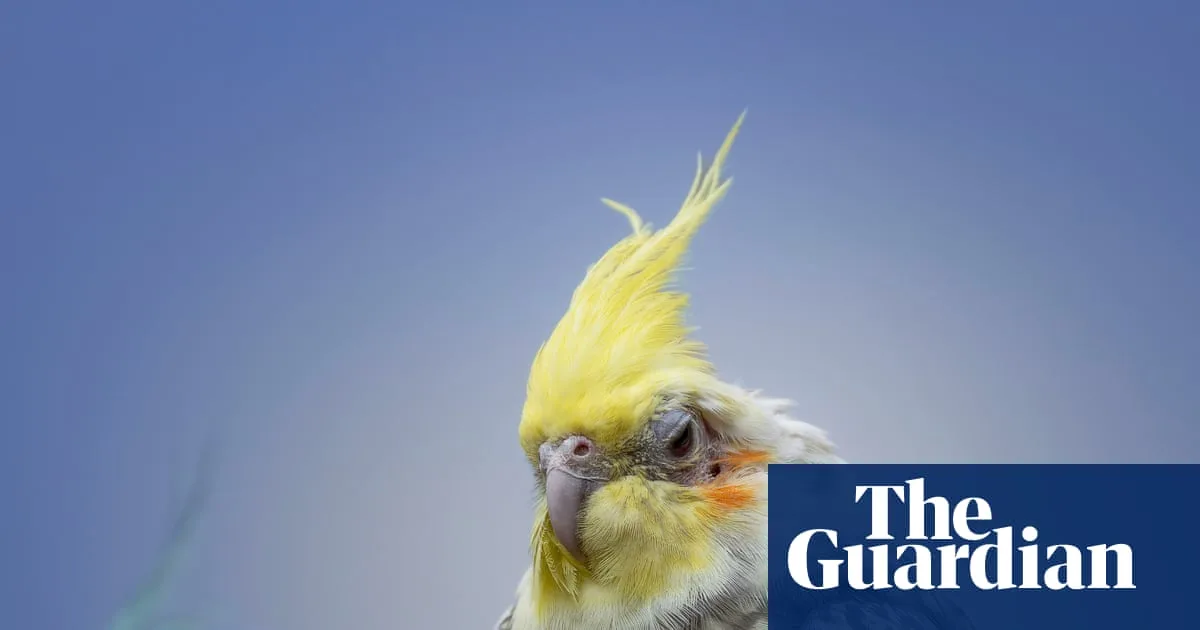
A new study has found that masturbation among birds is a natural and healthy behaviour, contradicting common advice to discourage or punish the activity. Researchers surveyed data on 120 bird species, both captive and wild, and found the behaviour more common in the wild, suggesting it is not a stress response to captivity.
Dr Chloe Heys, an evolutionary ecologist at the University of Lancashire, said the findings should reassure bird owners. “Our big finding is that masturbation is not a negative response to captivity,” she said. “This is widespread in birds and we found it’s a perfectly natural and healthy behaviour that’s part of their repertoire of sexual behaviours.”
The study, published in the journal Ecology and Evolution, documented accounts from bird experts, online communities, and scientific literature. Males typically rub vigorously on perches or toys, while females lift their tails and back onto objects. The activity can involve wing flapping and unique vocalisations.

Some owners had sought veterinary help, fearing harm, leading to interventions such as removing perches, hormone therapy, or even surgery. Dr Heys called such extreme measures “bonkers” and urged vets to only intervene if a chronic problem like a prolapse occurs. “Vets shouldn’t be advising owners to stop birds doing this unless it’s obviously caused a chronic problem,” she said.
Co-author Dr Matilda Brindle, an evolutionary biologist at Oxford University, noted the welfare implications. “The fact that masturbation seems to be even more common in wild birds than those in captivity has huge implications for their welfare, especially given that folk husbandry often advises bird keepers to discourage or punish this behaviour.”