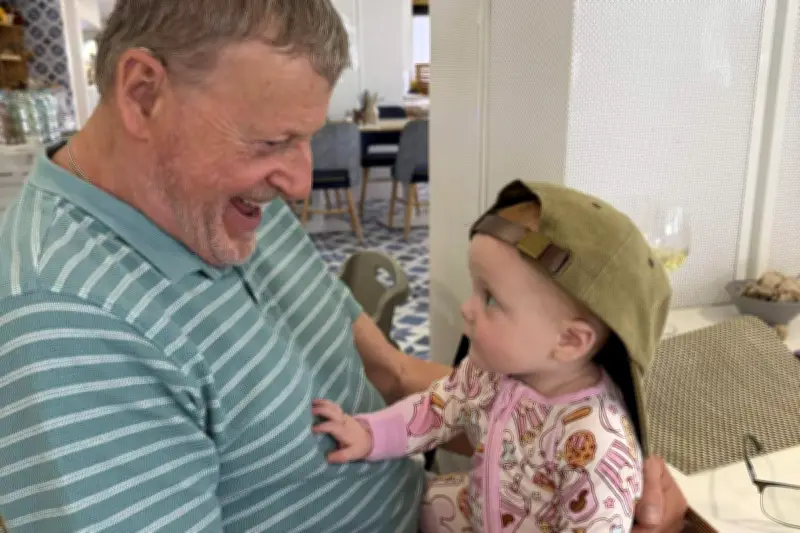
A man who was paralysed from the neck down by a rare autoimmune disorder defied doctors by walking out of hospital after life-saving plasma treatment. Tony Newitt, 71, from Alcester, Warwickshire, feared he would never meet his granddaughter after being diagnosed with Guillain-Barré Syndrome (GBS) last year. He is now urging more people to donate plasma, calling the treatments the only reason he can rebuild his life.
Cancer survivor's ordeal
Mr Newitt was diagnosed with bowel and liver cancer in 2024. After intense treatment, scans showed no signs of the disease. However, in March 2025, weeks after his last chemotherapy session, he collapsed at home while putting out the bins. Medics were initially baffled by his condition. His daughter Lauren Marshall, 37, who was pregnant at the time, said: 'The staff in hospital didn't know what had happened because it was just like somebody had flipped the switch and he had lost all use of his body.'
Mr Newitt's oncologist eventually suggested GBS, which was confirmed by a lumbar puncture. GBS is a rare condition affecting around 1,300 people a year in the UK, caused by an over-reaction of the immune system that damages peripheral nerves.

Treatment and recovery
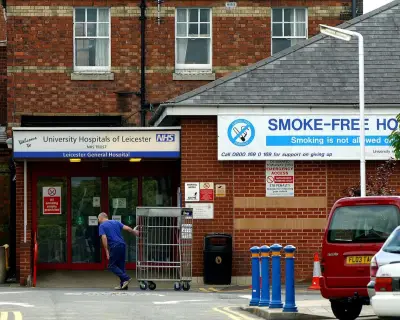
After diagnosis, Mr Newitt was transferred to a neurological ward at University Hospitals Coventry and Warwickshire NHS Trust, where he received intravenous immunoglobulin (IVIG) and therapeutic plasma exchange, both derived from donated plasma. Over 10 days, he had five IVIG infusions and five plasma exchanges. His symptoms stabilised within days, and he began extensive physiotherapy.
Despite being told it was unlikely he would ever walk again, Mr Newitt walked out of Leamington Rehab Hospital in October. He said: 'I proudly walked out of hospital following a long six-month stay. It was truly something I will never forget. Due to my age and the spread of the GBS, my prognosis for recovery was not great. I was told I may never walk again. I categorically disagreed and told the doctors that I would walk again, and that when I did, I would do it in a tutu – and so I did!'
Call for plasma donors
Mr Newitt now exercises daily and in April went on his first family holiday abroad in three years. He and Ms Marshall are urging more people to donate plasma. Mr Newitt said: 'Without donors, many people's recoveries would not be possible. People often think blood donations are only needed in emergencies, but blood and plasma also help people facing serious illnesses and long recoveries like mine.'
According to NHS Blood and Transplant (NHSBT), more than 3,200 patients have received immunoglobulin medicines made from UK-donated plasma since March, five years after a ban on UK plasma was lifted. The UK now meets 23% of NHS immunoglobulin demand but relies on imports, primarily from the US. NHSBT aims to boost the figure to 35% by 2030.
Ms Marshall, a blood donor for two decades, switched to donating plasma after her father's experience. She said: 'My dad categorically said that the plasma he received was the only reason he was able to leave hospital and rebuild his life. He says it was the liquid gold that gave him his life back.'
Gerry Gogarty, director of blood supply at NHSBT, said: 'Behind every litre of plasma collected, there are patients and families whose lives depend on these medicines. We have made remarkable progress, with over 825,000 litres of UK plasma collected and thousands of patients treated. But at 23% self-sufficiency for immunoglobulin, we still have a significant way to go.'
Plasma can be donated at three specialist donor centres in Birmingham, Reading and Twickenham. The process takes just over an hour, and donors can give plasma every two weeks.