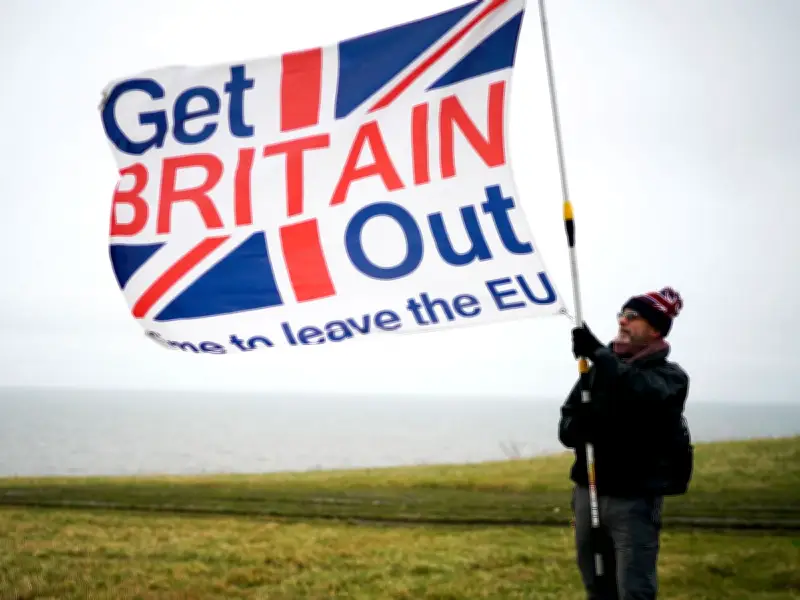
Ten years ago, the eyes of Europe fell on the North East. Newcastle declared the first mainland result in the UK following the historic Brexit referendum on July 23, 2016 – and, while it was a win for Remain, a far narrower margin of victory than had been expected on Tyneside made clear what was about to happen. When Sunderland followed shortly afterwards with an overwhelming vote to Leave, the tone was set for a night that would reshape the continent’s political landscape. The UK is now on the verge of installing a seventh leader in a turbulent decade, and while perhaps not as all-consuming as the issue once was, the impacts of Brexit and the lingering question over what relationship the UK should have with the European Union remain topics of huge debate.
North East Mayor Reflects on Devastation and Regional Loss
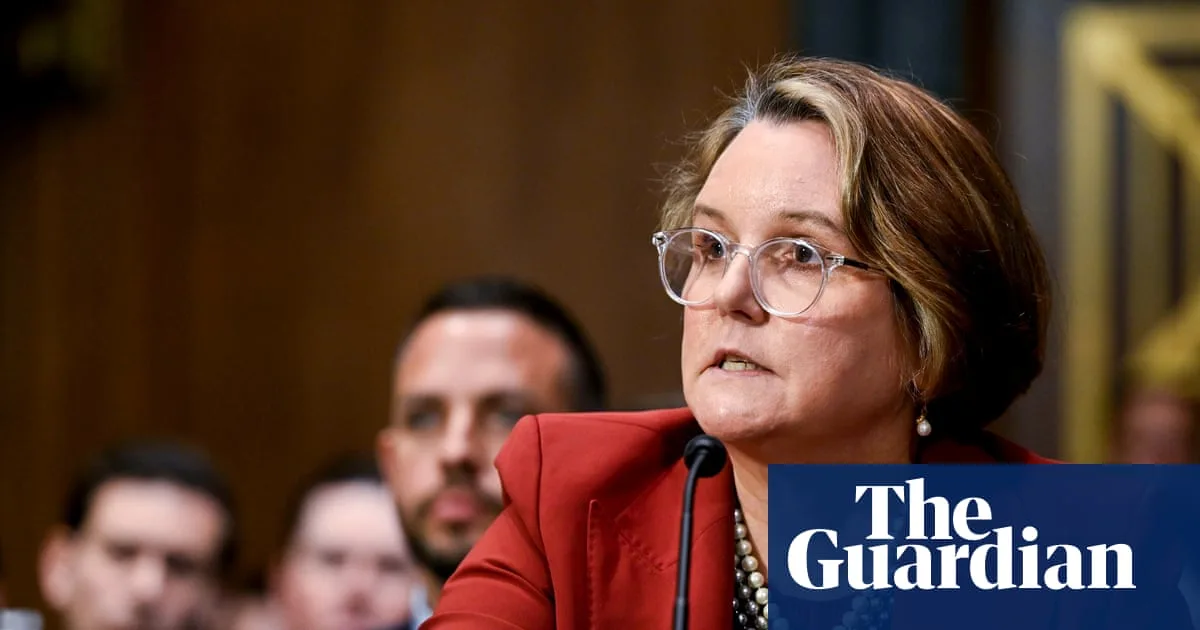
North East mayor Kim McGuinness was a relatively new Labour councillor in Newcastle at the time of the referendum and part of the Remain campaign, which she admits failed to articulate the benefits that EU membership brought and left her “completely devastated”. European money had been used to help deliver projects like Gateshead's Millennium Bridge and the refurbishment of Ouseburn’s Toffee Factory. Critics of Brexit have complained that replacement funding sources like the UK Shared Prosperity Fund have failed to match the support that was once available, which included £433 million for economic development in the region between 2014 and 2020.
Ms McGuinness told the Local Democracy Reporting Service: “What I knew at the time was that the North East was a massive beneficiary of the EU. We took out an awful lot more than we put in and, for a region like ours, I think it was a really difficult night. But, ultimately, it was what people wanted and we have to then get on with it.”

Nissan Survives but Casualties Mount
The prospect of Nissan’s car factory in Sunderland closing down if the UK left the EU, potentially costing the North East thousands of jobs, was a central part of the bitter referendum debate. The Washington plant is still here – though there have been regular warnings about its future since, amid complaints about mounting energy costs and global turmoil for the company that is resulting in significant job losses around the world. A potential deal to build cars for Chinese manufacturer Chery, however, has offered Nissan’s 6,000 Wearside workers a recent boost. But Ms McGuinness said that “just because we didn’t lose Nissan, it doesn’t mean we didn’t lose a lot”.
The Labour mayor added: “Although a big anchor like Nissan has not left the country, that is in spite of them [the Leave campaign]. It is because of a huge effort on behalf of regional partners and politicians and national politicians to make sure we keep those jobs in the region – dare I say, at great cost. We have to think about more than just those huge businesses. Quite recently I knocked on a door in Easington and I spoke to a woman who told me a story about how her and her husband had a really successful online business employing 10 people out of Easington, trading with the EU. And they just had to shut down. Although we have not had that one fell swoop, thousands of jobs from something as big and high profile as Nissan, it doesn't mean there have not been many, many, many casualties resulting in an awful lot of job losses across the region.”

Economic Impact: GDP Drop and Trade Resilience
The UK’s GDP is estimated to have reduced by six to eight per cent as a result of Brexit, according to the US National Bureau of Economic Research. But John McCabe, chief executive at the North East Chamber of Commerce, believes the impact of Brexit is “difficult” to assess in isolation – given that the past decade has also included the Covid pandemic, energy price shocks, and the wars in Ukraine, Gaza, and Iran. He said: “This exceptional decade has shaped both national and local economic conditions. However, Brexit has changed the trading environment, particularly for businesses with close links to EU markets and supply chains, adding a degree of complexity around regulation, documentation, processes and costs. Despite these pressures, North East businesses have continued to show real resilience. Goods exports reached a record high of £14.77bn in 2025, while the EU remains our largest trading bloc, accounting for 53.9% of the region’s goods exports. Businesses are also growing in non-EU markets, with exports up 18.5% over the past two years, including strong recent growth in markets such as Indonesia, Singapore, Hong Kong and Norway.”
Brexiteers Defend Decision, Criticise Implementation
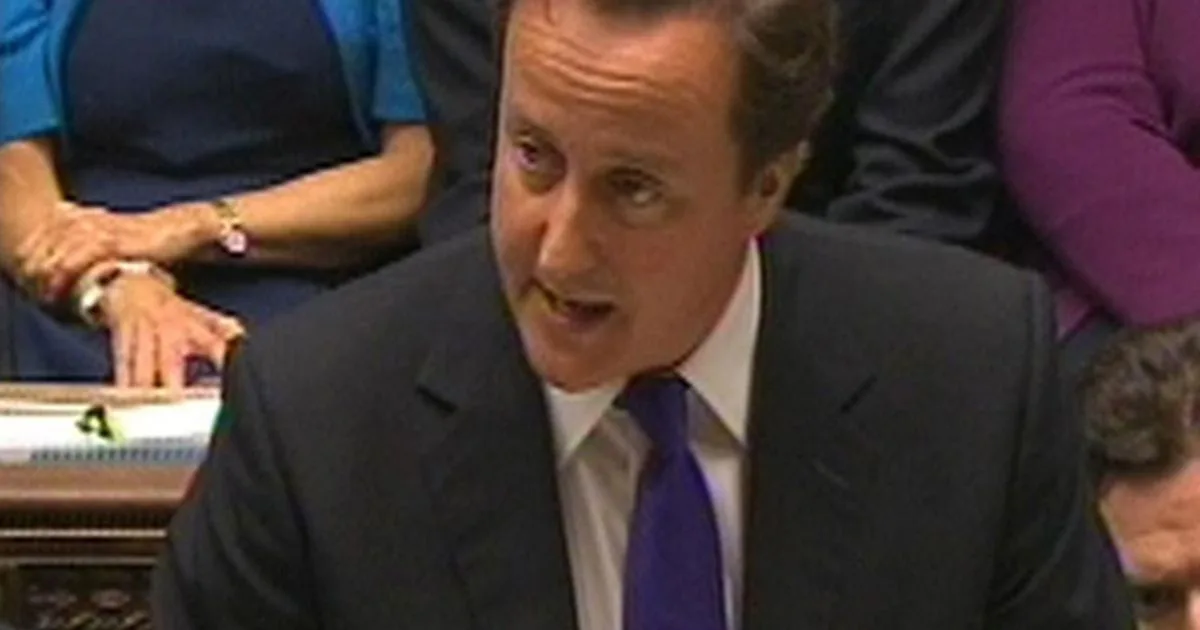
Former Conservative minister Anne-Marie Trevelyan, a staunch Brexiteer, told the Local Democracy Reporting Service that she sees “no arguments” that convince her that Brexit is to blame for a fall in GDP. The former Berwick MP credits Brexit with enabling the UK to have a quicker rollout of Covid vaccines, though such claims have been disputed previously. She recalled hearing David Cameron’s resignation speech the morning after the referendum, which left her in tears as she waited to carry out media interviews outside Newcastle Central Station. Mrs Trevelyan said: “He absolutely promised that, either way, he would lead. I was absolutely furious with him, I can still remember my anger. I love David dearly and it was a joy to work with him when he was in the Foreign Office. But I was absolutely horrified.” She said the uncertainty which resulted from Mr Cameron’s departure led the machinery of Whitehall to “close up” and that it was not until the arrival of more pro-Brexit MPs into Parliament in 2019’s general election that she felt that it “turned on its head” and truly started to grapple with the reality of leaving the EU.
Jonathan Arnott was one of the North East’s members of the European Parliament at the time of the referendum. The former UKIP member was watching the results roll in from a hotel room in Brussels as he had been tasked, in Nigel Farage’s absence, to address the EU’s Conference of Presidents the next day. Mr Arnott, who has since retired from politics and now runs a chess centre in his home city of Sheffield, told the LDRS that he continues to stand by the principle that he chose to speak about that day – that “we should be good neighbours with the European Union and not governed by the European Union”. He is similarly critical of Mr Cameron’s rapid resignation and argues that it “caused the maximum chaos and maximum damage” by distracting from the task of negotiating its exit from the EU. Mr Arnott says the UK has “completely failed as a nation to take advantage of the opportunities afforded by Brexit” and was too slow to start striking trade deals with other countries. Mrs Trevelyan defended what she called a “perfectly sound, base level” Brexit deal struck under the Johnson government, but said the Covid pandemic then took up all of the “brain space” the Government had at a critical time.
£350m NHS Claim and Ongoing Divisions
An infamous part of the referendum campaign was the Vote Leave battle bus which claimed the NHS could get an extra £350 million a week if the UK left the EU. Ms McGuinness said she had “not seen it and I don’t think the millions of patients who use the NHS have seen it”, while adding that Brexit had made it “more difficult to find doctors and nurses from EU countries who are able to come, live, and work here”. Mr Arnott admits that the £350 million claim was a “complete own goal” that he believes cost his side votes and that he “didn’t like using that figure” himself. He added that funding to the NHS has actually gone up more than £350 million per week since then. However, organisations like the Institute for Fiscal Studies have found that increased funding for the health service has not been a result of a “Brexit dividend”.
Reform UK Councillor Warns Against Rejoining
Darren Grimes was founder of the pro-Brexit youth campaign group BeLeave and maintains that leaving the EU was “the best thing we have done”. Now a local councillor, he serves as Reform UK’s deputy leader on Durham County Council, and believes that being outside the EU offers our region greater opportunities in developing industries like artificial intelligence. Coun Grimes told the LDRS: “I believe it was absolutely the right thing. We should have used that moment to make life easier for small and medium sized enterprises. Instead we have hitched our wagon to the EU as closely as possible. We have left, but only in name. I think it would be a monumental error to go back into the single market and the customs union.” Mr Grimes had been fined £20,000 by the Electoral Commission after being accused of breaching spending laws during the referendum, in relation to a £675,315 donation from the Vote Leave campaign to BeLeave, but ultimately won an appeal against that in 2019. Asked if he believed the British public would still back Brexit if a second referendum were held today, he replied: “If you ask people if they want to rejoin the single market to regain greater access to goods and services, they will say yes. If you ask people if we should join the Euro, give up our national sovereignty, or spend in the region of £30 billion per annum to the EU Commission to be a member of that single market, people will say no. So it depends on the question you ask.”
Liberal Democrat Leader Calls Brexit an 'Unmitigated Disaster'
Colin Ferguson, the Liberal Democrat leader of Newcastle City Council, called Brexit an “unmitigated disaster”. He said ahead of today’s anniversary: “People were sold a false prospectus. The Conservatives and their supporters, now Reform UK, had no idea how to implement a bad idea, and tore themselves apart trying to deliver the undeliverable. Now, ten years on, who amongst us would say things really are better as a result of Brexit? Businesses, and in particular SMEs, in the North East who want to trade with the EU need barriers removed, and our young people should be given opportunities to study and work in the EU. Both of those will help grow the North East economy, putting money in people’s pockets and softening the blow of the cost of living crisis.”