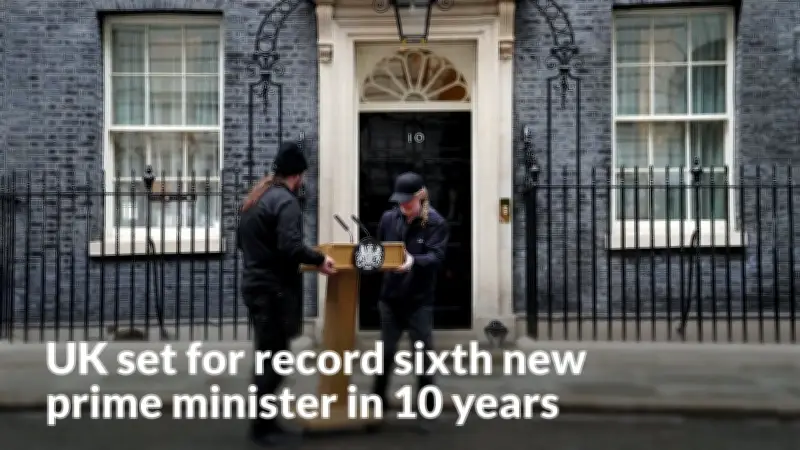
Andy Burnham has emerged as the overwhelming favourite to become the next leader of the Labour Party and enter Downing Street as Prime Minister, following Keir Starmer's resignation announcement. The new MP for Makerfield secured a resounding by-election victory last week, paving the way for his return to the House of Commons and prompting Starmer to step down.
Burnham's Political Comeback
Burnham, 56, originally left Westminster in 2017 to run for the Greater Manchester mayoralty, a move that proved politically astute. He has served as a popular local leader and a prominent national critic of Labour's direction under Starmer. Burnham previously held the role of UK Health Secretary under Gordon Brown's premiership until Labour's 2010 election defeat. He has contested two previous Labour leadership contests—in 2010 and 2015—losing to Ed Miliband and Jeremy Corbyn, respectively.
Path to Victory
Under Labour Party rules, leadership candidates require the backing of at least 80 MPs. Burnham reportedly has the support of 200 MPs, making him the clear frontrunner. Wes Streeting, who resigned as Health Secretary in May, was expected to challenge Starmer but held off, fuelling speculation that he lacked sufficient MP support. Streeting has reportedly held several rounds of talks with Burnham, raising the possibility of a deal that would allow Burnham to run unopposed.

Other potential contenders, such as former armed forces minister Al Carns, are unlikely to command enough support to mount a realistic challenge against Burnham.
Timeline for New PM
Nominations for the Labour leadership will open on July 9 and close one week later. If Burnham faces no challenger, he will become Prime Minister on July 16. If a rival candidate secures the required 80 MP endorsements, a full leadership contest will run through July and August, with a winner announced by early September.
Background and Identity
Born in the Liverpool suburb of Aintree in 1970, Burnham grew up in the village of Culcheth in Cheshire, about 16 miles from Manchester. His northern roots and successful tenure as a regional mayor are central to his political identity.