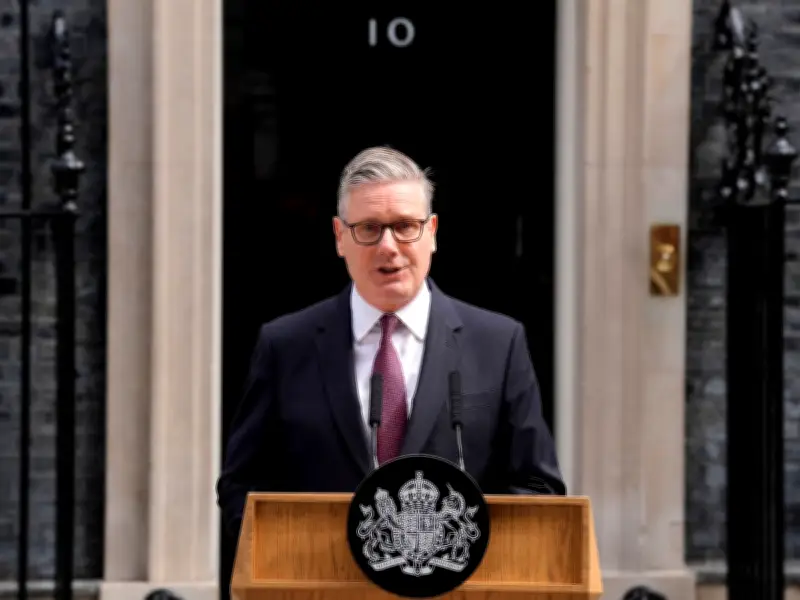
Prime Minister Keir Starmer resigned on 22 June 2026, announcing his decision in a speech at 10 Downing Street. His departure triggers a Labour Party leadership contest to choose the next Prime Minister of the United Kingdom.
Front-Runners and Timeline
Starmer had initially indicated he would run in any leadership contest, but his resignation now clears the path for Wes Streeting and newly elected MP Andy Burnham as the leading candidates. Labour MPs will vote to determine who leads the party and, consequently, the country.
In his resignation speech, Starmer stated: "I have spoken to His Majesty the King to inform him of my decision. I will ask the national executive committee of the Labour Party to set out a timetable, with nominations opening on the 9th of July, and completed by the Summer recess." The summer recess begins on July 17, giving the party just eight days to select a new leader. This means the identity of the next Prime Minister will be known by July 17.

Voting Eligibility and Transition
The general public cannot vote in the leadership contest; only Labour Party members who have been members for at least six months prior to the vote are eligible. Starmer will remain as a Labour MP but will step down as Prime Minister. He will stay in post temporarily during the contest, saying: "In the case for contest, this will ensure a new leader is in place before Parliament returns in September. I will remain in post as Prime Minister until a contest is complete, and I will do everything I can to ensure an orderly handover of power."
Impact and Next Steps
The swift timeline aims to avoid prolonged uncertainty. Once the new leader is elected, they will be formally appointed as Prime Minister by the King. The new leader will then face the challenge of uniting the party and governing ahead of the next general election. Follow our live blog for ongoing updates and reaction to Starmer's departure.