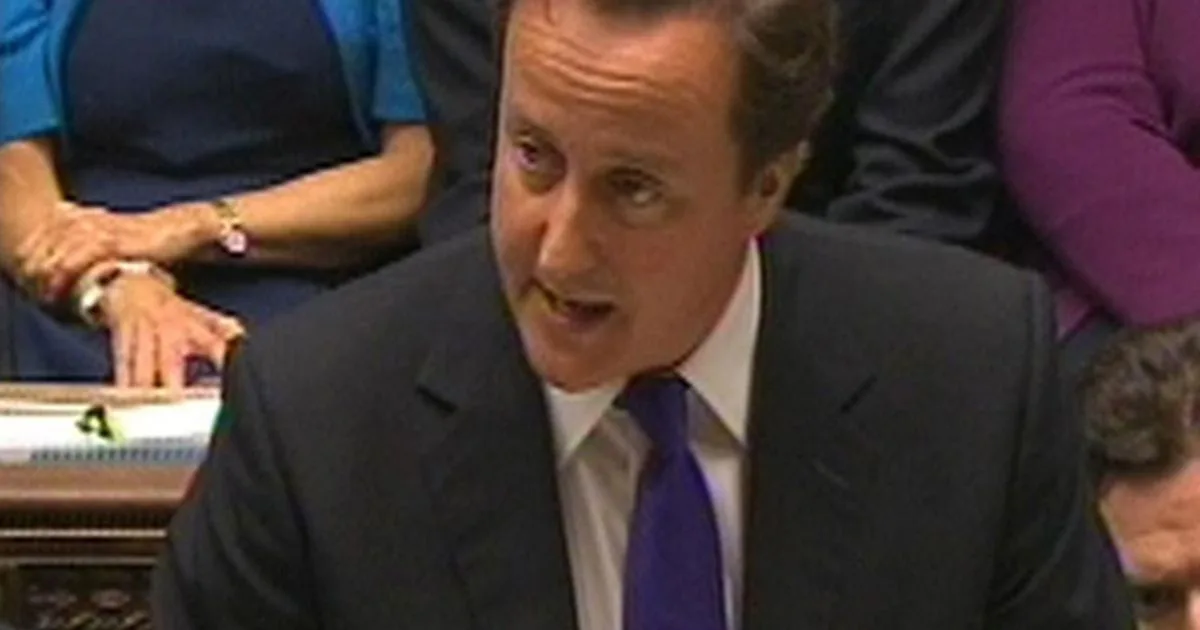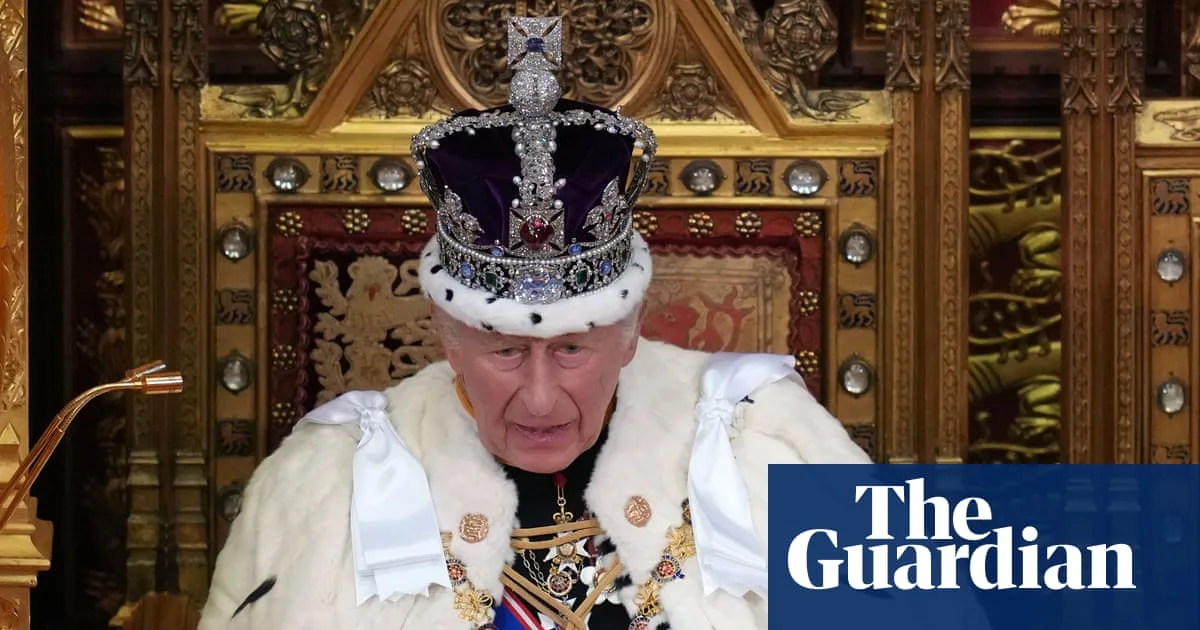
Prime Minister Keir Starmer has set out a sweeping legislative agenda in the second King's Speech of his premiership, including plans to abolish NHS England, overhaul special educational needs provision, limit jury trials, introduce digital ID, and end the leasehold system in England and Wales. The package also features measures to curb legal and illegal migration, such as making asylum appeals harder and doubling the time for some to gain indefinite leave to remain.
The speech comes as Starmer faces a potential leadership challenge, with Health Secretary Wes Streeting expected to resign on Thursday to trigger a contest. The Prime Minister appealed to Labour MPs to stay the course, describing the agenda as 'radical reform' that would make Britain 'stronger and fairer'. However, some Labour MPs criticised the migration changes, with Rachael Maskell urging the government to maintain rights for those with indefinite leave to remain.
Key housing reforms include a bill to exempt social homes from the right-to-buy scheme for 35 years, allowing only tenants with ten years' residency to purchase, and another to ban new leasehold flats, though the latter will not take effect until after the next election. The King's Speech also outlined measures to boost economic growth, including adopting European regulations and forcing regulators to consider growth in their decisions.

On public services, the government will legislate to abolish NHS England, reduce court backlogs, and reform special educational needs provision, with fewer pupils eligible for education, health and care plans but schools gaining more responsibility. A digital ID system will be introduced for immigration checks when starting a new job, though it will not be mandatory.