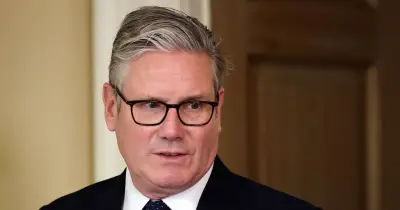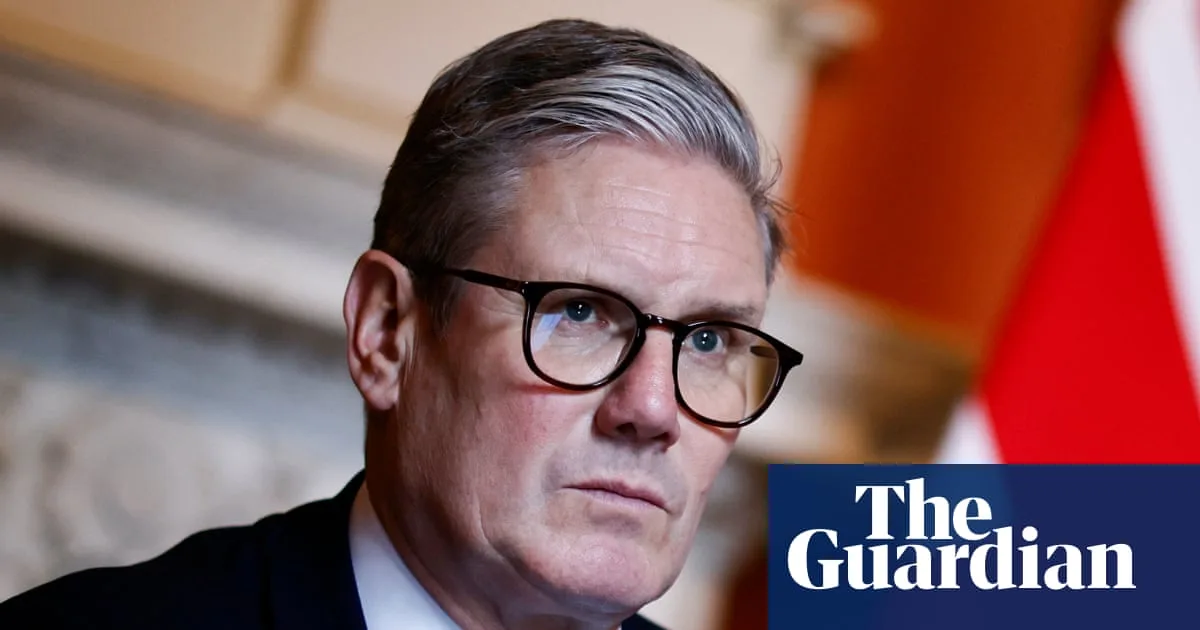
Keir Starmer's position as prime minister is under increasing threat following the resignation of his chief of staff, Morgan McSweeney, amid the escalating Peter Mandelson scandal. The resignation, announced on Sunday, marks the latest crisis for a government that has faced a series of setbacks over the past 18 months.
The scandal stems from the release of the Epstein files, which revealed that Peter Mandelson, the former UK ambassador to the US, had a closer relationship with Jeffrey Epstein than previously admitted. Mandelson resigned as ambassador in September last year, but the latest documents suggest he shared market-sensitive secrets with Epstein in 2008, leading to accusations of treason and betrayal.
McSweeney, who was credited with masterminding Labour's landslide election victory in 2024, took responsibility for advising Starmer to appoint Mandelson. In his resignation statement, he said: 'The decision to appoint Peter Mandelson was wrong. He has damaged our party, our country and trust in politics itself.'

On Monday, Anas Sarwar, the leader of the Scottish Labour Party, became the first senior figure to publicly call for Starmer to step down, stating: 'The distraction needs to end and the leadership in Downing Street has to change.' However, other cabinet ministers quickly rallied behind Starmer, suggesting a coordinated effort to shore up his position.
Despite this show of support, political analysts believe Starmer's tenure is precarious. Historian Anthony Seldon described the Mandelson revelations as possibly the UK's worst political scandal. With McSweeney gone, Starmer is now more isolated, and many within his own party believe it is only a matter of time before he follows his chief of staff out of office.