Olympic Champion Finds New Hope After Years of Struggle
Sir Bradley Wiggins, Britain's most celebrated racing cyclist, has embarked on a transatlantic journey that represents both therapeutic treatment and romantic reunion. The 45-year-old Olympic champion is travelling to the United States for specialised trauma counselling while also planning to spend time with his new partner, American cyclist Courtney Knott.
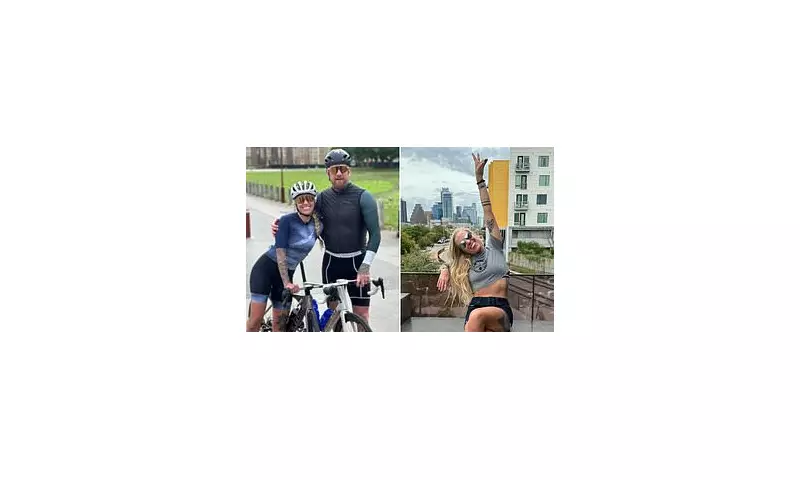
Wiggins credits Knott with reigniting his passion for cycling after years of mental health battles and addiction issues following his retirement from professional sport in 2016. The couple were first spotted together at a cycling event in Putney, London last month, where Wiggins appeared smiling and back on his bike for the first time in a while.
New Love Brings Cycling Joy Back
In a heartfelt Instagram post, Wiggins expressed how his perspective has transformed: 'For me being back on the bike and finding enjoyment on the bike has been really liberating for me really, it has sort of freed me of my past.' He specifically acknowledged Knott's influence, saying: 'A year ago I had no intention of ever swinging my leg over a bike, my partner, Courtney, she reintroduced me to the bike, really, made me find my love for it…it's been fantastic, it really has.'
Courtney Knott, a cycling consultant in her thirties, runs luxury cycling camps in Aspen, Colorado and previously worked as social media manager for WEDŪ Inc, the media company founded by disgraced cyclist Lance Armstrong. Her Colorado residence makes Wiggins' current trip to Utah particularly convenient for combining treatment with romance.
Armstrong's Controversial Support
In a surprising revelation, Wiggins disclosed during a talk at the Barbican in York this week that Lance Armstrong has funded his upcoming treatment at a leading trauma rehabilitation clinic in Utah. 'I still speak to him and see him,' Wiggins said. 'I'm off to America today. Friday. He's paid for me to go and see a top trauma counselling clinic in Utah so I'm looking forward to that.'
This connection adds another layer to Wiggins' complex relationship with the sport's controversial figures, coming years after his own career was shadowed by doping allegations.
From Triumph to Trauma
Wiggins' journey since his 2012 triumphs has been marked by significant personal challenges. After becoming the first British cyclist to win the Tour de France and following it with Olympic gold just ten days later, he received a knighthood in 2013 and was named BBC Sports Personality of the Year.
However, his life unravelled following retirement. He described reaching his lowest point when he became homeless, sleeping in crackhouses in Middlesbrough, his car, or on park benches in Clapham Common. During one particularly dark period, he destroyed his Sports Personality of the Year award and knighthightment in front of his children.
Wiggins' financial situation deteriorated despite earning approximately £13 million during his career, leading to bankruptcy in 2024 and the repossession of the £975,000 barn he once shared with his ex-wife Catherine and their two children.
Confronting Past Demons
In his new autobiography The Chain, Wiggins reveals the harrowing sexual abuse he suffered from cycling coach Stan Knight between ages 13 and 16, describing his abuser as a 'constant insidious figure' while also acknowledging Knight's role in his cycling success.
He also writes about his complicated relationship with his father Gary, who abandoned him and his mother. Gary Wiggins, himself a former professional cyclist with drug and alcohol problems, died in 2008 aged 55 from head injuries sustained at a house party in New South Wales.
Despite these challenges, Wiggins now says he is clean, financially stable, and optimistic about his future. 'It's all resolved now. I'm on the front foot now,' he told The Times. 'This was something that was done to me. It has all turned around. The people who are responsible are paying a heavy price for it. Fortunately, it's all good. My life's in a good place.'
His relationship with Knott appears to be a significant part of this positive transformation, offering both personal happiness and a renewed connection to the sport that made him a national hero.