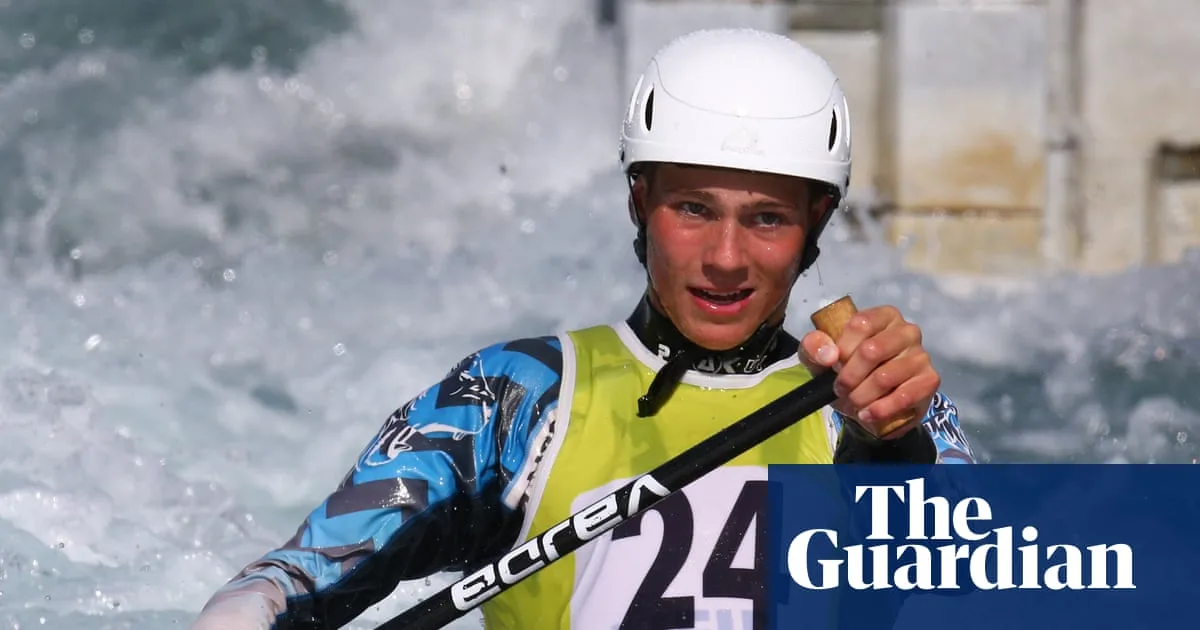
British canoeist Kurts Adams Rozentals has been handed a two-year suspension and removed from the Olympic programme after posting an explicit video on Instagram and misleading the press about the reasons for his initial ban, Paddle UK announced.
The canoe slalom athlete, part of Paddle UK’s world class programme for Olympic hopefuls, was initially suspended in April by the governing body and has now been deselected. Rozentals had claimed he began using OnlyFans to post “spicy” material to fund his Olympic dream. However, a disciplinary panel found that he admitted posting an explicit video on Instagram that was “subsequently removed given its explicit nature”.
“The athlete had intentionally misinformed the press that his suspension was related to his OnlyFans social media account,” Paddle UK said. The governing body said his actions amounted to gross misconduct and brought its name into “serious disrepute”.

Although Paddle UK did not name the athlete, Rozentals confirmed the “very extreme” punishment with BBC Sport and said the ban would not have happened if athletes were funded properly. Rozentals received £16,000 in funding for his training, but he said it did not allow him to be a full-time athlete.
“While I understand the video could be described as crazy, it was not illegal and certainly shouldn’t be the reason for banning an athlete,” he said. “Looking back now, I probably wouldn’t post something like that. But I remember the state of mind I was in when I did film it and post it. It was the first time in my life I saw real progress in my financial situation. It was the first time I was able to fund the training myself.”