Twins Put Historic Everest Kit to the Ultimate Test
In an extraordinary mountaineering experiment, two British explorers have subjected George Mallory's 1920s Everest equipment to the ultimate challenge by wearing it up a Himalayan peak. Identical twins Hugo and Ross Turner, both 37, successfully summited Nepal's formidable 21,250-foot Nera Peak while wearing dramatically different gear.
The Great Gear Divide: 1920s vs Modern Equipment
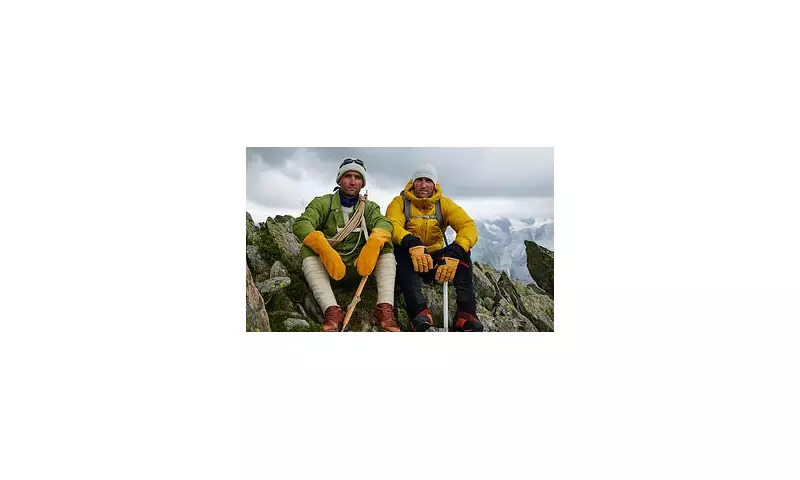
While Ross was equipped with the latest high-performance mountaineering technology, his brother Hugo undertook the ascent wearing an exact replica of the kit used by Everest pioneers George Mallory and Sandy Irving nearly a century ago. The vintage outfit presented significant challenges from the outset.
Hugo wore seven layers of silk shirts and woollen jumpers beneath his gaberdine jacket, complemented by three pairs of leggings under his trousers. His footwear consisted of custom replicas of Mallory's boots, featuring double-lined leather, yak felt insulation, and an additional upper layer that Mallory himself had added to improve waterproofing.
The historical equipment extended to a weighty ice axe constructed from traditional wood and steel. Overall, the 1920s replica kit weighed an impressive 3.5 kilograms more than its modern counterpart used by Ross.
Surprising Scientific Findings
Scientists from the University of Portsmouth's Extreme Environments Laboratory closely monitored the twins throughout their expedition, gathering comprehensive data on their physiological responses. The research team measured temperature, cognitive performance, dexterity, and cortisol levels - a key stress indicator.
Remarkably, monitoring revealed no major differences in stress or cognition levels between the twins despite their vastly different equipment. Dr Joe Costello, who conducted the research, told the Daily Mail: 'Our observations were that the old and the new kit were very similar in the conditions we tested.'
During their final summit push in temperatures plunging to -20°C (-4°F), Hugo's chest and boot temperatures registered about 2°C lower than Ross's, while his hands were 3.5°C colder. Nevertheless, Hugo reported that 'the clothing was flawless and created zero issues for me, so they definitely knew about clothing back in the day!'
The Turner brothers believe that Mallory's equipment, while heavier and slightly less thermally efficient, would not have prevented a summit attempt under favourable conditions. Hugo noted that 'Mallory shouldn't have been held back, given the snow and weather conditions were favourable.' The biggest challenges proved to be the additional weight and reduced grip of the vintage boots on snow.
This unique experiment offers fresh insights into one of mountaineering's greatest mysteries: whether Mallory and Irving could have reached Everest's summit in 1924, nearly three decades before Hillary and Norgay's confirmed success in 1953.