Eriksson's Family Forced to Sell Assets to Settle Massive Debts
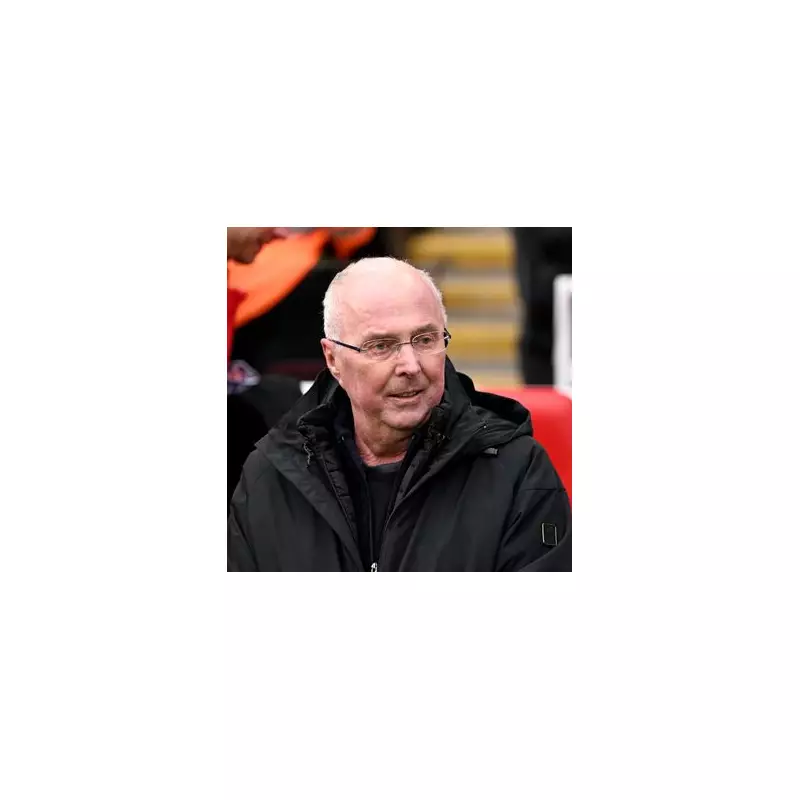
The family of former England manager Sven-Goran Eriksson has been compelled to sell his luxurious six-bedroom mansion in Sweden as they work to settle the substantial debts he left behind following his death. The celebrated football figure, who managed the England national team from 2001 to 2006, passed away in August last year after battling pancreatic cancer.
Eriksson owed £7.4 million to the UK tax authorities (HMRC) at the time of his passing, with additional debts bringing the total to over £7.5 million. This financial burden has fallen upon his family, who have begun liquidating his assets to address the obligations.
Luxury Property Sold in Cut-Price Deal
The family's seven-bedroom house in Torsby, Värmland, which Eriksson purchased for £4.5 million in 2002 during his tenure as England manager, has now been sold. The property had been listed on the market for £2 million, but according to reports from The Sun, the family was forced to reduce the asking price by £400,000 to attract buyers.
The luxury mansion eventually sold for at least £1.3 million, representing a loss of approximately £3 million from the original purchase price. The buyer was revealed to be an anonymous e-commerce businesswoman with personal connections to the property.
The businesswoman confirmed she purchased the house after her father had previously done renovation work for Eriksson. She described the property as "fantastic" but admitted it was "far from obvious" to purchase it initially. She explained: "It felt like a big project and a big responsibility. However, the opportunity to manage a small part of Värmland's cultural heritage, and at the same time enjoy the fantastic environment, was ultimately irresistible."
Memorabilia Sales Add to Debt Repayment Efforts
Beyond the property sale, Eriksson's family has turned to selling his personal collection of memorabilia to raise additional funds. Among the significant items sold was the Armani suit he wore during England's last-16 match against Portugal in the 2006 World Cup, which fetched £140,000 at auction.
Remarkably, the suit still contained Eriksson's hand-written team notes in the pocket from what would be his final game in charge of the England national team. The sale of these personal items, combined with the property transaction, forms part of the family's comprehensive effort to manage the financial legacy left by the former manager.
Eriksson's substantial debts are particularly striking given his highly successful 42-year managerial career, during which he led 12 clubs and four national teams. His most lucrative period was his five-year stint as England manager, where he earned approximately £22.5 million. The significant tax debt reportedly stemmed from an investment in a failed film scheme designed to defer tax payments, which was subsequently ruled unlawful by authorities.
The family continues to manage Eriksson's estate, ensuring that his financial obligations are met while preserving the memory of his considerable contributions to international football.