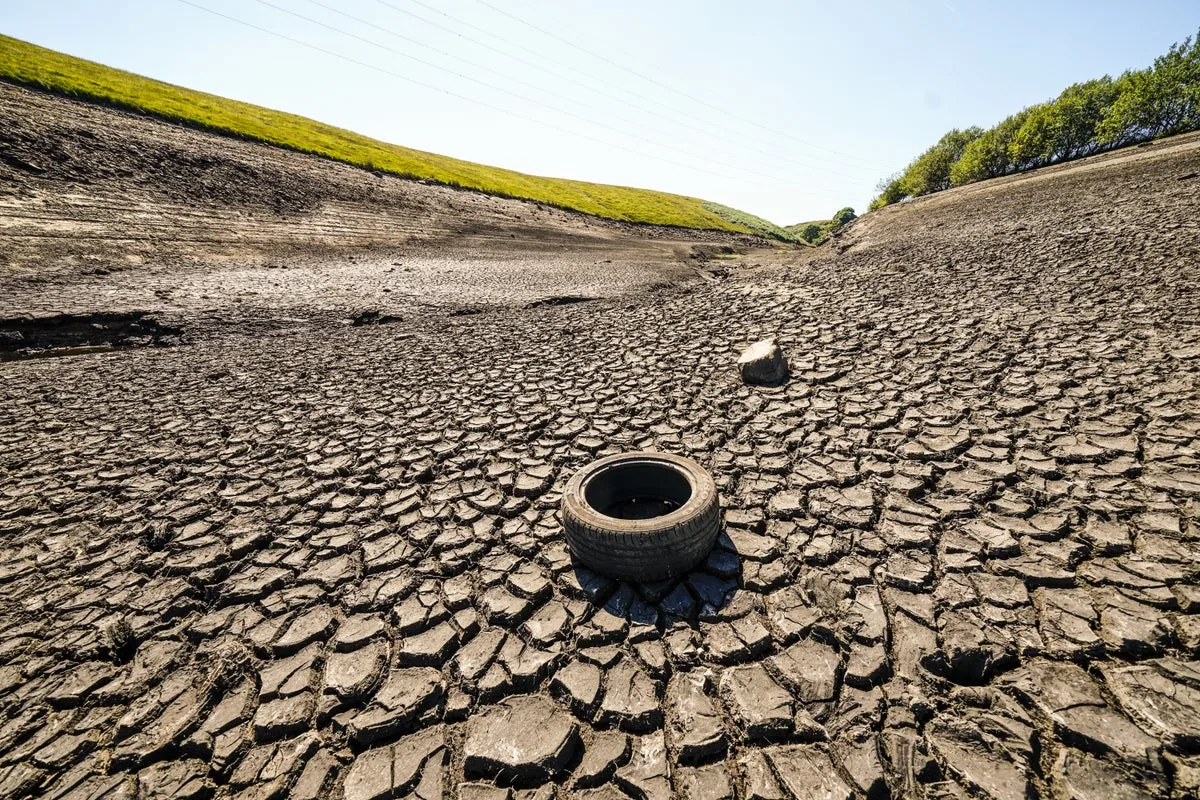
UK food imports are under growing threat from climate change, as farmers in developing nations who produce essential supermarket staples face severe heat stress, experts have warned. An analysis by the Energy and Climate Intelligence Unit (ECIU) reveals that agricultural workers cultivating goods such as rice, coffee, tea, and chocolate are enduring increasingly difficult conditions as global temperatures hit record highs.
The situation is expected to worsen, with UN scientists finding an 80% likelihood of a warming El Niño weather event this summer, which could make 2027 the hottest year on record. According to a report released Monday by the ECIU, developing countries supplied 13% of UK food imports in 2025, worth £8.9 billion. The top 15 suppliers from this group accounted for 11% of imports, valued at £7.4 billion, including rice from India, fruits from South Africa, Peru and Egypt, coffee from Vietnam and Brazil, cocoa from Côte d'Ivoire and Ghana, bananas from Colombia and Ecuador, and tea from Kenya.
The ECIU found that farmers in these 15 countries lost 216 billion potential work hours in 2024 due to heat stress, equivalent to nearly 49 working days per worker per year. These losses are accelerating, with lost work rising by roughly four to five hours per worker annually. Citing the Lancet Countdown report, the ECIU said 640 billion potential work hours were lost globally in 2024 due to heat exposure, more than double the average of the 1990s. Agricultural workers are the most exposed, with nearly two-thirds of all potential work hours lost in this sector, rising to three-quarters in poorer countries.

Shamika Mone, a rice farmer in India and president of the Intercontinental Network of Organic Farmers, said: “Extreme heat makes the already difficult job of farming even harder. There are real fears that hotter, drier weather caused by a super El Niño could damage harvests.” She called for cuts to greenhouse gas emissions and more climate finance for smallholders. Gareth Redmond-King, ECIU head of international programme, warned: “With a powerful El Niño about to land on top of climate change, unless farmers in the UK and abroad are supported to shift towards more resilient agriculture, everyone’s food security is at risk.”
Previous ECIU research found that climate impacts have added around £360 to the average UK household food bill annually and have contributed to three of the worst UK harvests on record in the past five years. Chris Jaccarini, ECIU food and farming analyst, noted that imported foods hit by climate change are disproportionately driving food price inflation, and many higher prices are unlikely to fall soon.