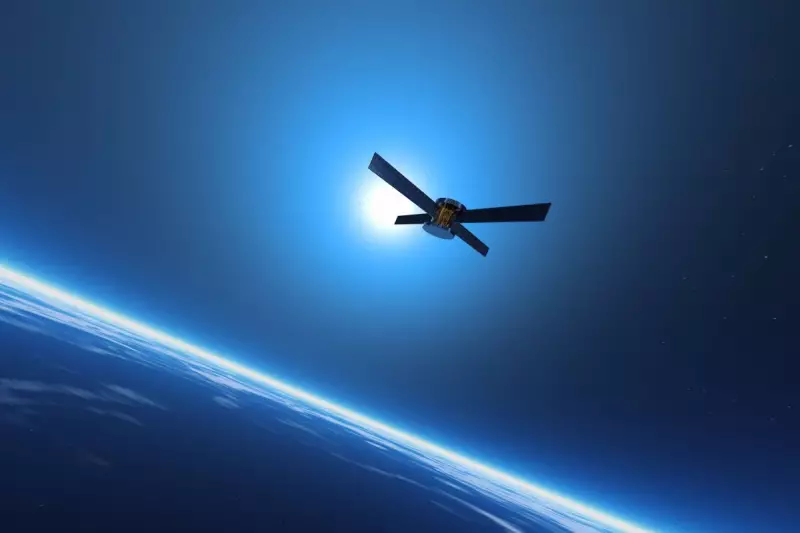
In an unprecedented move, American and Chinese space authorities have joined forces to prevent their satellites from colliding in the increasingly crowded skies above Earth.
A First-of-its-Kind Manoeuvre
The recent incident saw the two global powers engage in their first-ever collaborative effort to steer satellites away from a potential impact. According to reports, China initiated the manoeuvre to avoid a disastrous crash. This rare act of coordination occurred against a backdrop of heightened tensions and long-standing political restrictions on space collaboration between the two nations.
The event underscores a pressing, shared problem: the rapidly growing congestion in low-earth orbit. This vital region of space is now packed with active infrastructure, including over 8,500 satellites from SpaceX's Starlink constellation alone. They share the orbital highway with hundreds of thousands of untrackable debris objects, all travelling at immense speeds.
The Growing Congestion Crisis
The need for effective space traffic management has never been more critical. The problem is set to intensify dramatically in the coming years. China has announced ambitious plans to launch over 10,000 satellites by the 2030s. Meanwhile, SpaceX has regulatory approval to eventually deploy a staggering 42,000 Starlink satellites.
This planned proliferation of megaconstellations poses significant risks beyond simple collisions. Astronomers have repeatedly warned that the sheer number of new satellites is severely impacting observations from ground-based telescopes, potentially hindering scientific discovery.
Political Hurdles and Future Risks
Despite the clear and present danger, sustained cooperation between the US and China faces a major political obstacle. The 2011 Wolf Amendment largely prohibits NASA from engaging in bilateral agreements with China. This legislation, originally intended to address security concerns, now complicates essential dialogue for managing shared orbital realms.
This successful, though isolated, manoeuvre proves that collaboration is technically possible. However, the lack of a formal, ongoing channel for communication increases the risk of a catastrophic satellite collision. Such an event could generate thousands of new pieces of space debris, potentially rendering entire orbital regions unusable for decades.
As both nations continue their space ambitions, the international community watches closely. This event may serve as a crucial precedent, highlighting that in the final frontier, safety and sustainability must sometimes transcend politics on Earth.