
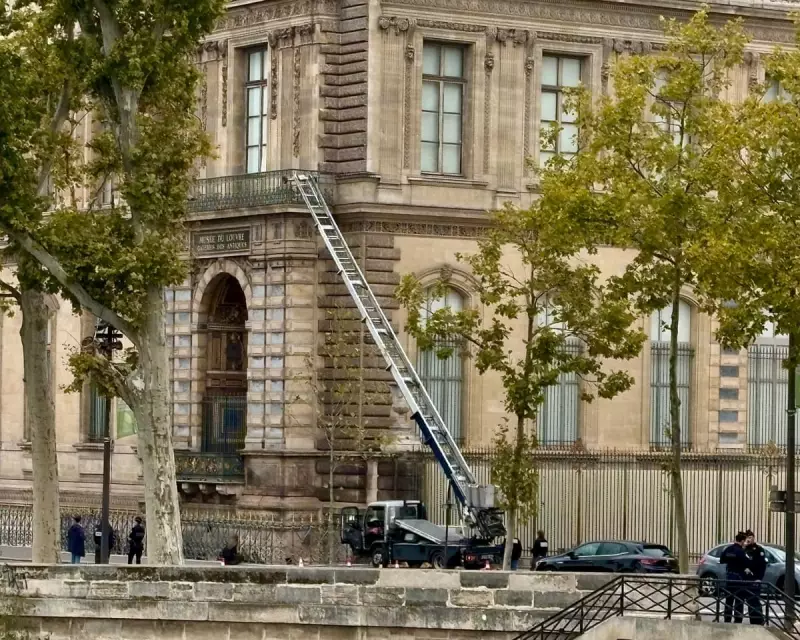
In a stunning move that has rocked the art and business worlds, a German engineering firm blacklisted by France over alleged connections to one of Europe's most audacious museum heists has launched an extraordinary public campaign to clear its name.
The Controversial Campaign
Böcker GmbH, the German company accused of involvement in the spectacular 2024 Louvre diamond theft, has taken the unprecedented step of publicly challenging the French government's ban on its operations. The firm has initiated a high-profile media and lobbying campaign, arguing that the sanctions are unfairly damaging its international reputation and business prospects.
The company's bold strategy includes publishing detailed rebuttals of the allegations and directly appealing to both German and French authorities. This public confrontation marks a significant escalation in what was previously a discreet diplomatic matter.
The Louvre Heist That Shocked the World
The case centres around the breathtaking theft of priceless diamonds from the Louvre's renowned collection last year. French investigators allege that Böcker equipment was used by the thieves to execute their meticulously planned heist, though the company vehemently denies any knowledge or involvement in the criminal operation.
"We are victims of circumstance," a company representative stated in their public defence. "Our equipment is sold legally across Europe, and we cannot be held responsible for how third parties might misuse it."
International Repercussions
The case has created significant diplomatic friction between Berlin and Paris, testing the strength of European business relations. The German government finds itself in a delicate position, balancing support for a national company against maintaining strong ties with France.
The French ban has already cost Böcker substantial contracts across Europe, with several other countries expressing caution about engaging with the company while the allegations remain unresolved.
What Happens Next?
Legal experts suggest Böcker's public campaign represents a high-risk strategy that could either pressure France into reconsidering the ban or further harden their position. The outcome may set important precedents for how European companies can challenge international sanctions and protect their reputations against criminal allegations.
As the art world watches closely, the resolution of this unprecedented case could redefine corporate responsibility and international business relations in the European single market.