

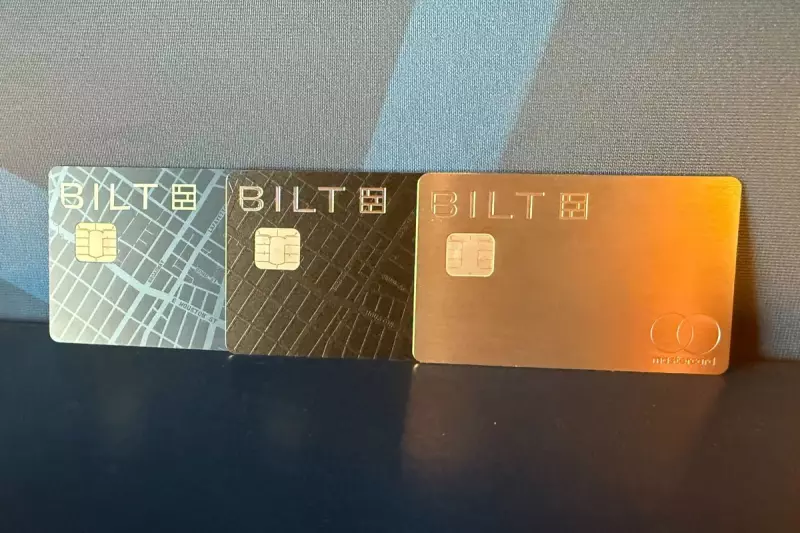
In a significant move within the consumer finance sector, the fintech company Bilt has announced a major overhaul of its credit card products, headlined by the introduction of a 10% introductory annual percentage rate (APR) for new purchases. This promotional rate, available for the first 12 months, arrives amidst intense bipartisan political pressure to reduce the cost of credit for consumers across the United States and the United Kingdom.
A Direct Response to Political Pressure
The announcement, made on Wednesday 14 January 2026, comes just a week after former President Donald Trump called for a one-year national cap on credit card interest rates at 10%. Bilt's CEO, Ankur Jain, stated the company decided to implement the cap to meet the "bipartisan call for a solution" on affordability issues faced by its customer base. Jain candidly added that it also presented a strategic opportunity to attract new clients, positioning Bilt at the forefront of a potential industry shift. "If (a credit card rate cap) is going to happen, we’d rather be at the forefront," Jain remarked.
This development places the spotlight on the wider credit card industry, where the average interest rate hovers around 21%. The industry has long resisted rate caps, but now faces challenges from figures across the political spectrum, from Trump to left-leaning politicians like Rep. Alexandra Ocasio-Cortez and Sen. Bernie Sanders. Researchers at Vanderbilt University estimated Trump's proposal alone could cost the sector a staggering $100 billion.

The New Bilt Card Portfolio and Strategic Pivot
Bilt, a company originally famed for allowing users to earn rewards on rent payments, is now aggressively expanding its financial product suite. The privately-held firm, valued at $10.75 billion, is moving beyond its "credit card for renters" identity. It is now focusing on becoming a financial liaison connecting local merchants, landlords, and residents.
The newly unveiled cards follow a "good, better, best" model, issued in partnership with credit card operations company Cardless, with Column N.A. as the issuing bank. The lineup includes:
- The Bilt Palladium Card: The premium offering with a $495 annual fee, providing $400 in annual hotel credits and $200 in 'Bilt Cash'.
- The Bilt Obsidian Card: A mid-tier card with a $95 annual fee, focusing reward accumulation on dining and grocery purchases.
- The Bilt Blue Card: A no-annual-fee entry-level card offering cash back and points at lower multiples.
All three cards will feature the one-year 10% introductory APR on new purchases for approved customers. After the promotional period, rates for purchases, balance transfers, and cash advances will revert to levels well above 20%, in line with other rewards cards. The company is also maintaining its valuable transfer partnerships with several airlines and hotels through its Bilt Rewards programme.
Broader Implications and Industry Ripples
Bilt's decision carries weight beyond a simple marketing promotion. While similar to zero-percent APR offers used to attract customers, Bilt's voluntary, public cap for all new cardholders provides ammunition for politicians. They can now point to Bilt's move and question why larger competitors like JPMorgan Chase, Capital One, and American Express are unwilling to follow suit.
The announcement also marks a definitive new chapter for Bilt following the end of its partnership with Wells Fargo, set to conclude in February 2026. Reports suggested Wells Fargo was losing $10 million a month on the Bilt card programme, leading to an early termination years before the 2029 expiry date.
With roughly 1 in 4 landlords now accepting Bilt and the company established as the largest reporter of on-time rental payments to credit bureaus, this strategic pivot into competitive credit card offerings signals Bilt's ambition to become a major, diversified player in personal finance.






